

KYIV, Ukraine — Viktoria Maksimovich’s students at the Sha’alavim Jewish Day School no longer run for shelters when air raid sirens sound.
“They don’t want to hear the alarms. They don’t care about the shots and bombs. They don’t care about it. This is the biggest problem right now, as they won’t look for a shelter,” she said in a virtual interview from her school in Kharkiv, Ukraine. “It’s like usual life for them, and a lot of them grew up like this during the war and don’t remember normal life.”
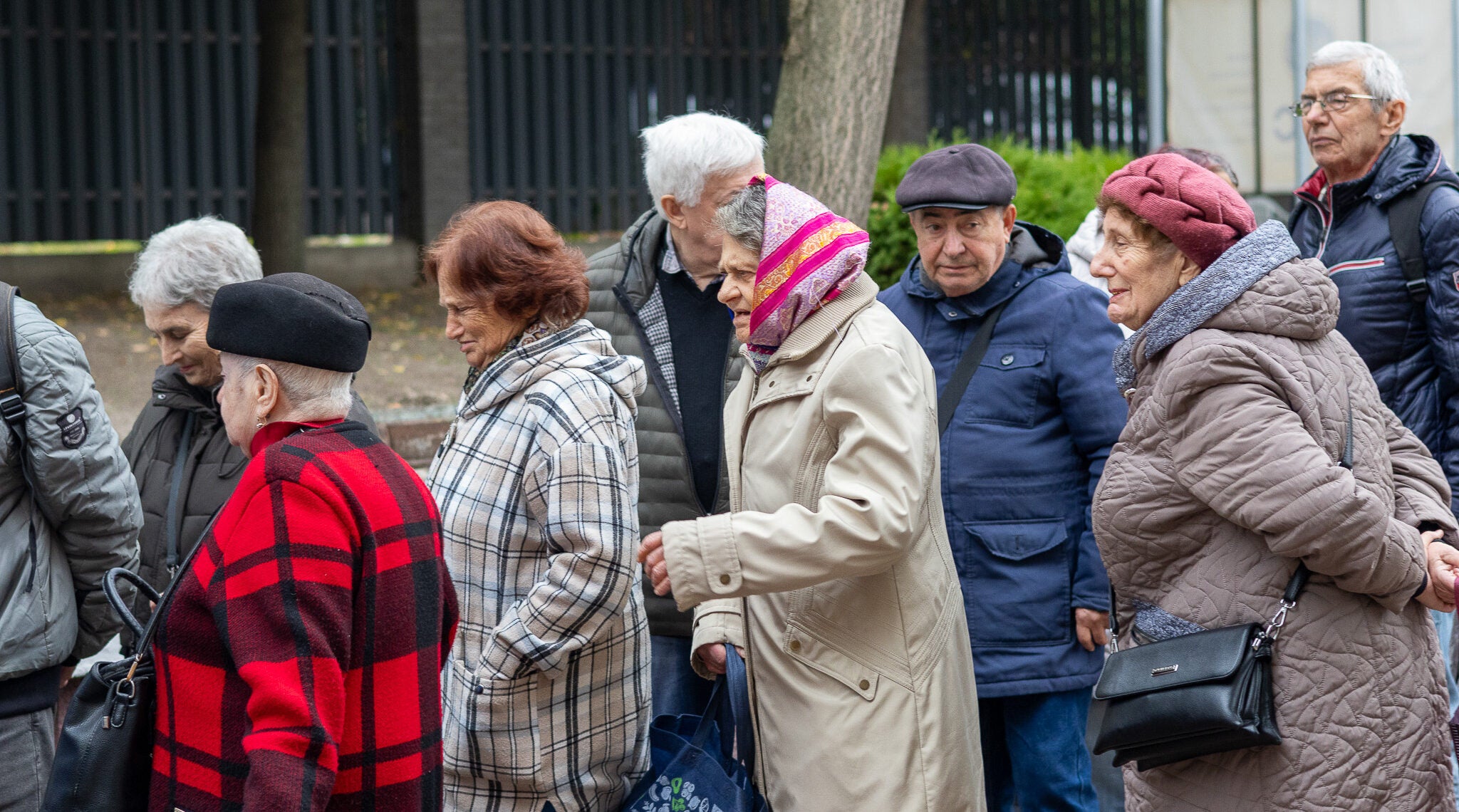
Indeed, the Russian invasion, which marks its fourth anniversary on Tuesday, has reshaped everything in the lives of Ukrainian Jews, from big choices about whether to stay or flee to the seemingly mundane decision about whether to take the elevator or the stairs when visiting high-rise buildings.
With Russian strikes on Ukrainian energy infrastructure a near-daily occurrence, taking the elevator means risking being trapped for hours if the power goes out. Recognizing that the dilemma has trapped elderly Jews in their homes, Maksimovich and her colleagues recently organized a service day for their students, who baked challahs and hiked up many flights of stairs to deliver them to Kharkiv’s elderly Jews.
“They managed it and were so happy about it because they met those old people and saw in their eyes, ‘You are here and brought us challahs and candles for Shabbat,’” Maksimovich recalled. “It was amazing.”
The fourth anniversary of the Russian invasion arrives in grim fashion for Ukrainians, with the Russian and Ukrainian armies locked in a bloody stalemate and support from the United States and Europe increasingly uncertain. Ukrainian cities are regularly barraged with drones and missiles, not only exacting a devastating tally of civilian deaths and injuries but making it increasingly challenging for Ukrainian civilians to carry out the basic functioning of their lives.
The last four months have been particularly challenging due to power and water cuts that have left Ukrainians frigid and in the dark. Whereas during the first three years of war, especially in the metropolitan center of Kyiv, life went on largely as normal, albeit punctuated by attacks. Now, mobile “resilience hubs” offering warming and charging dot the landscape, and the sound of generators is overpowering.
People charge their devices, eat and warm themselves at a mobile resilience hub set up in a residential district amid electricity and heating interruptions on Jan. 20, 2026 in Kyiv, Ukraine. (Yan Dobronosov/Global Images Ukraine via Getty Images)
For Ukraine’s Jews, the situation means that children are gathering in bomb shelters to light Shabbat candles, the elderly rely on intermittent aid deliveries, and everyone is hunkered down for the worst winter since the war began.
“When the full-scale invasion began, I did not think it would last two weeks, but here we are,” said Julia Goldenberg, founder of the Ukrainian Charitable Funds and partner of World Jewish Relief. “And I still do not think the war will be over even this year.”
Before the start of Russia’s full-scale invasion, according to the Institute for Jewish Policy Research, there was a core Jewish population of 40,000 living in Ukraine. Since then, however, thousands have fled to Israel and Europe, reshaping hubs of Jewish life in the country. Now, with conditions worsening, even far from the front lines, Goldenberg expects even more to leave.
Many will be seeking security for their children, whose schooling and experiences have been peppered with trauma and interruption since even before the war. In-person schools had only resumed after a yearlong COVID closure for a semester before war broke out.
“Parents tell us of children who can’t sleep at night, children who react to all kinds of different sounds. It’s challenging to work with them,” said Rabbi Irina Gritsevskaya, who is based in Tel Aviv and travels to Ukraine regularly to lead Masorti Kyiv, one of the country’s only Conservative congregations.
Jewish schools have borne a wide range of effects. Ariel Markovitch, director of the JCC in Kyiv, recounted how a Russian missile struck the Perlina school and kindergarten in Kyiv in October 2024, where refugees fleeing fighting on the front lines in Ukraine’s east had been sleeping.
Inna Federova, 55, the head of Ukraine’s oldest Jewish day school, Lyceum No. 299 or Orach Chaim, said missiles were only one challenge of many.
“It fractured our community,” she said about the war. “I am a Jewish mother first, and I wanted to be there for the kids, but I couldn’t be once they were scattered all over Europe.”

Jewish students take a break from class at Lyceum No. 299, the oldest Jewish day school in Ukraine, during the fall of 2025. (Theia Chatelle)
At least one of the school’s alumni, Igor Tish, was gravely injured while fighting on the frontline, while the Israeli teachers who taught Hebrew and other subjects have not returned since being evacuated in the days before the Russian invasion. Instruction is more rudimentary now, Federova said.
“We have a physical education teacher who does exercises with the children in the shelter, because it’s very hard for them to sit still for so long without moving,” she said, adding: “They’ve lived through bombings, evacuations, constant anxiety. Our teachers received special training from psychologists, including Israeli specialists, on how to support children emotionally during wartime.”
Other support for Jews in Ukraine has come from the Joint Distribution Committee, which leads disaster response for Jewish communities living in conflict zones around the world ; Chabad, the global Jewish network whose emissaries are at the front line of Jewish life in many smaller communities; and Goldenberg’s group, which works to preserve Jewish life and welfare in Ukraine.
Sustained by a network of global donors, the Ukrainian Charitable Funds has helped elderly Jewish Ukrainians repair their homes after Russian airstrikes. Goldenberg recalled one woman she worked with: “She had no windows. She lost all of them in a Russian strike, but did not have the funds to fix them.”
While the advent of war in Israel in 2023 spurred concerns about whether Jewish donors would continue to send support to Ukraine, Gritsevskaya said aid from both inside and outside had made a difference.
“I think in the Jewish community, there is a huge sense of being hugged,” she said, adding, “Ukraine is an amazing example of the ability of Jews to unite and to help others in unbelievable situations. In general, I think that people who are connected to Jewish communities are more capable of going through the difficult things they go through because they have the wider Jewish world.”

Rabbi Irina Gritsevskaya with a study group from the Ben and Harriet Teitel Seminar in Ukraine in early 2026. (Courtesy Midreshet Schechter Ukraine)
Even as she gears up for a potential war in Israel, Gritsevskaya is planning on heading back to Ukraine this summer for another session of Ramah Ukraine, a camp that has already filled with Ukrainian Jewish teens eager for a respite from the challenges of war.
“I would rather not think of the fears I have,” she said. “They are so overwhelming, we have to focus on what must be done.”
Federova, too, said she continues to focus on the positives as she and her students start a fifth year of war.
“We have children from different backgrounds, some from observant families, some who are just discovering their roots, and the school gives them that connection,” Federova said about Orach Chaim. “Even during the hardest times when the alarms go off and when we don’t know what will happen tomorrow, I look at them and think ‘if we can give them knowledge and faith, then we have done something important.”
This reporting was supported by the International Women’s Media Foundation’s Women on the Ground: Reporting from Ukraine’s Unseen Frontlines Initiative in partnership with the Howard G. Buffett Foundation.