

Not raped, but seduced,
a sister became
a cause that unloosed
a battle of shame.
No person escaped
revenge, which is bad,
though Dinah not raped:
her lover a lad
who loved her alas,
not wisely or well,
a lover, a lass,
leading many to hell.
Revenge may seem sweet
when it acts as a rhyme
to avenge a defeat,
but when it’s a crime,
the circle of hate
is mean misdemeanor,
and this was the fate
of the brothers of Dinah
who some say arrived
from pre-Greek Cyclades,
but would not be wived
with Canaanite ladies.
When twelve of them killed
all men of Shechem
her father was filled
with disgust. “I condemn,”
he sadly declared,
“the trouble you’ve caused,”
and sounded quite scared,
but was not endorsed
by Simeon and Levi
who had little time
for girls who like divae
encourage sex crime,
for there’s little doubt
she favored fornication,
quite willing––no shout
at her destination
except one of joy
from here to infinity,
proof to her boy
she had lost her virginity.
“Would you have us ignore
that our sister was treated,”
they asked, “like a whore?
Your motion’s defeated!”
A stalemate, it seems,
since father and sons
were fighting like teams
in noir movie reruns.
The hero’s no Bogart,
the lady’s a tramp,
but in Hebrew folk art
there is no writer’s cramp
describing the killing,
no anti-crusade
on that of those willing
to kill once they’ve prayed….
just revenge for the shaming
of father and daughter,
for which they were blaming
all men plus the mortar
and bricks in the city,
though women were saved
when found by committee
to be not depraved.
Neither side can recall
what happened precisely:
revenge made it all
even out, but not nicely,
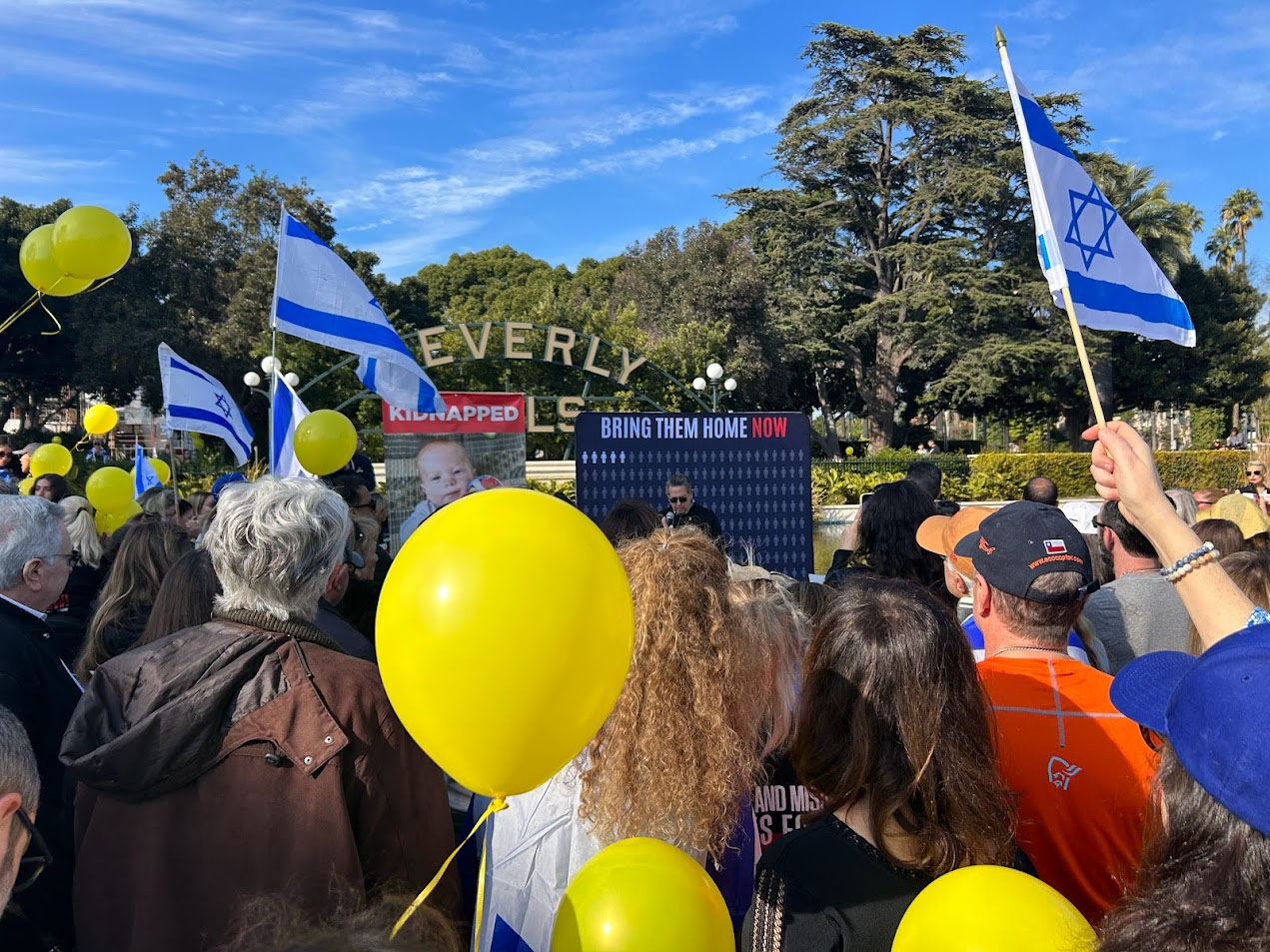
as Hamas performed
rapes the world won’t condemn.
When Jacob’s sons stormed
civilians in Shechem,
they his protests disdained:
Dinah’s loss of purity
is like whores, they complained.
Military security!
Coexistence? But whichever
program we choose
will probably never
favor gentiles and Jews.
Gershon Hepner is a poet who has written over 25,000 poems on subjects ranging from music to literature, politics to Torah. He grew up in England and moved to Los Angeles in 1976. Using his varied interests and experiences, he has authored dozens of papers in medical and academic journals, and authored “Legal Friction: Law, Narrative, and Identity Politics in Biblical Israel.” He can be reached at [email protected].