
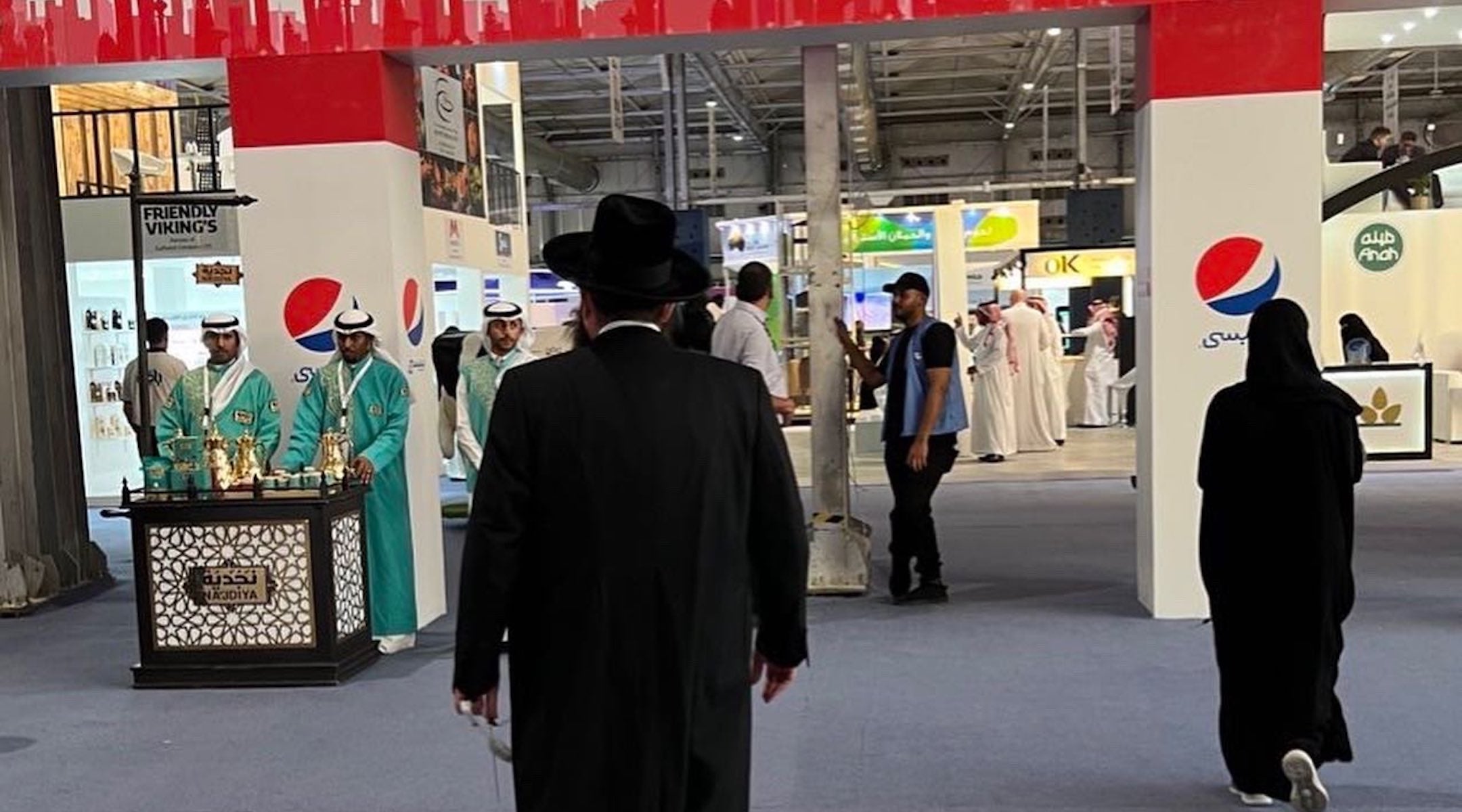
The self-appointed chief rabbi of Saudi Arabia, Rabbi Jacob Herzog, said he had been denied entry to the Gulf nation.
“With profound regret, I announce that I was barred from entering the Kingdom of Saudi Arabia upon arrival, despite holding a valid entry visa, and despite having spent a significant portion of the past years living and serving in this blessed Kingdom,” Herzog wrote Monday in a post on X.
While the country has no official Jewish community, Herzog has in recent years marketed himself as an emissary for the country’s small population of Jewish visitors and residents, a role that has put him at odds with a community accustomed to flying under the radar of the conservative state.
“This incident has left me — against my will — distant from the Jewish community that I serve with love within the Kingdom, a community that has lived under the spirit of peace and goodwill embodied by the Saudi royal system and the great Saudi people,” continued Herzog.
While Saudi Arabia typically does not allow Israeli passport holders entry to the country, the New York-born Herzog’s dual citizenship in the United States and Israel appears to have earned him leniency in his travels between his home base in Jerusalem and the kingdom.
Herzog’s rejection comes as relations between Saudi Arabia and Israel have been strained in recent months amid the fragile ceasefire deal between Israel and Hamas.
While President Donald Trump has repeatedly pushed for the country to enter a normalization agreement with Israel, Saudi leaders have remained steadfast that a path for Palestinian statehood is a key condition for entering any agreement.
“Saudi Arabia is not considering a normalization deal with Israel. Should Israel become a normal country with normal acceptance of international law, then Saudi Arabia will consider normalization,” Saudi Arabia’s former intelligence chief, Prince Turki bin Faisal, told the Times of Israel on Sunday.
Herzog said that he did not receive any explanation for the decision from authorities at the airport or the country’s Ministry of Interior, but claimed he was “convinced that this measure did not emanate from the Royal Court or from the Saudi government itself.”
“Despite my complete trust in the integrity of Saudi institutions and the sound intentions of its leadership, I cannot ignore the possibility of the existence of dark forces seeking to obstruct the path of reform, openness, and tolerance that the Kingdom is pursuing with determination,” said Herzog.
The Saudi Arabian Ministry of Interior did not respond to requests for comment from the Jewish Telegraphic Agency on Herzog’s rejection.
While Herzog markets kosher foods at Saudi grocery stores and offers his services as a mohel on his website, Saudi Arabia legally forbids practicing religions other than Islam in public.
In March 2024, a U.S. government delegation on international religious freedom ended a visit in Saudi Arabia early after a rabbi on the trip was asked to remove his kippah while in public.