
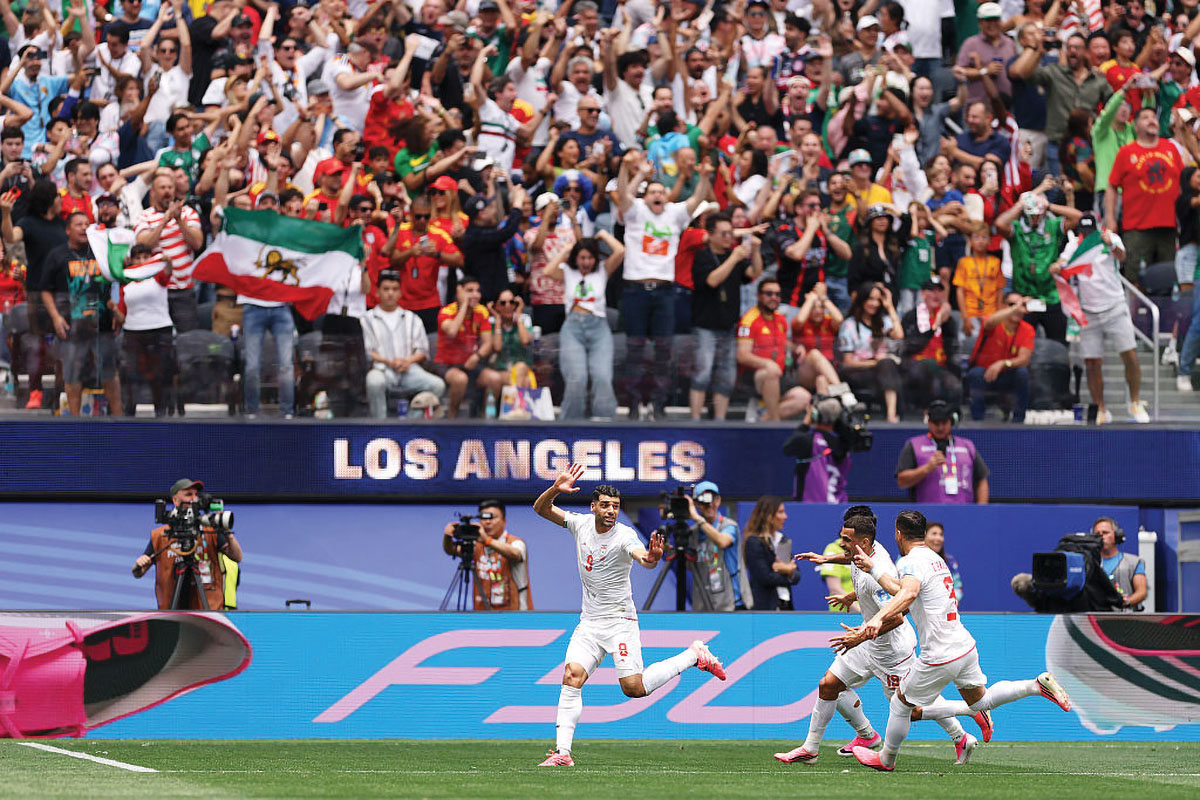
As Los Angeles hosts eight matches of the FIFA World Cup 2026 at SoFi Stadium, the city buzzes with vibrant fan celebrations across the region. Yet amid the die-hard pageantry, Los Angeles stands at a crossroads. Beyond the on-field excitement of global soccer lies a deeper opportunity: to draw hard-earned lessons from the nations that have long dominated the beautiful game. The world’s soccer powerhouses thrive not through elite isolation, but by cultivating talent and passion from every socioeconomic rung, anchored in community structures, truly accessible athletics, and a steadfast commitment to housing stability and belonging as rights, not privileges reserved for the wealthy.
In Brazil, Argentina, Germany, France, and Spain, the pathway to excellence begins in neighborhoods, not boardrooms. Children from modest backgrounds play on public pitches or through low-cost community clubs where annual participation often costs under a few hundred dollars. These systems are deliberately inclusive: federations and local governments invest in grassroots infrastructure so talent identification happens widely, not just among those who can afford thousands for travel teams or private academies. Further, secure housing plays a foundational role. Specifically, families rooted in stable communities can get kids to practice consistently, build peer networks, and pursue dreams without the shadow of displacement. The result is national teams that draw strength from the full socioeconomic spectrum and a societal conviction that sporting glory belongs to the entire nation, not a privileged few. This model shows how access to athletics at the grassroots level, paired with housing security, creates cultures where every child feels they have a place in the country’s successes.
Los Angeles and much of the United States operate differently. Youth soccer has largely become pay-to-play, with families spending $2,000 to $10,000 per child yearly on fees, tournaments, and coaching. Moreover, private equity firms targeting the $40 billion youth sports market consolidate clubs, facilities, and platforms, often prioritizing revenue over broad access and further excluding middle- and lower-income families. In a high-cost city like Los Angeles, this compounds existing divides. In addition, historic redlining mapped disinvestment onto communities of color, while exclusionary single-family zoning has long constrained housing supply, inflated prices, and segregated opportunity. Families are pushed to areas with fewer quality fields, fewer coaches, and longer commutes, fracturing the stability required for kids to thrive in sports. The middle class feels the squeeze too, as economic elites shape land use and amenities around scarcity and premium pricing rather than inclusive growth.
This year, the World Cup offers a counter-vision in our own backyard. Its power lies in the sight of diverse crowds united by shared purpose, where supporters from Mexico, Brazil, Europe and beyond mingle with locals in a powerful expression of collective belonging. Successful soccer cultures extend this ethos year-round: When children from every background feel they have a stake in the game and the country’s progress, societies gain resilience, innovation, and a deep sense that all belong in the nation’s story. Exclusionary practices, whether zoning that prices families out of neighborhoods, or sports systems captured by private interests, erode that foundation. They signal that progress is for some, not all, undermining the social fabric that makes true collective achievement possible.
Los Angeles’ own World Cup preparations hint at a better path. The Host Committee has funded 26 Community Champions—local organizations using soccer for empowerment with grants, alongside free “Grow the Game” clinics run with LAFC, LA Galaxy, and Angel City FC to introduce more kids to the sport. Volunteer-led efforts to enhance parks and public spaces emphasize unity and neighborhood pride. These initiatives recognize that the true legacy must reach every corner of L.A. To match the depth of global peers, however, the city must go further: expand permanently funded, low- or no-cost public youth programs and neighborhood pitches accessible to all; reform zoning at the state and local levels to permit more affordable and multifamily housing near transit, parks, and sports infrastructure, reversing redlining’s legacy and keeping families connected to opportunity; and champion community-governed or cooperative sports models rather than ceding the field entirely to private equity, preserving pathways for those priced out of premium clubs.
Having experienced several World Cups both in Europe and now in my hometown, I have observed that what is so uniquely special about watching the World Cup is the visible cross section of fans across all sectors of society, teaching us that greatness emerges when everyone has a place and stake in our collective victory. By learning from soccer’s most successful cultures, Los Angeles can make the World Cup’s spirit of inclusion endure through housing policies providing stability, athletic systems welcoming all children, and a civic culture where middle- and lower-income families are active participants in progress, not spectators. Then the final whistle will signal a more cohesive city where shared purpose belongs to everyone.
Lisa Ansell is the Associate Director of the USC Casden Institute and Lecturer of Hebrew Language at Hebrew Union College-Jewish Institute of Religion Los Angeles.