

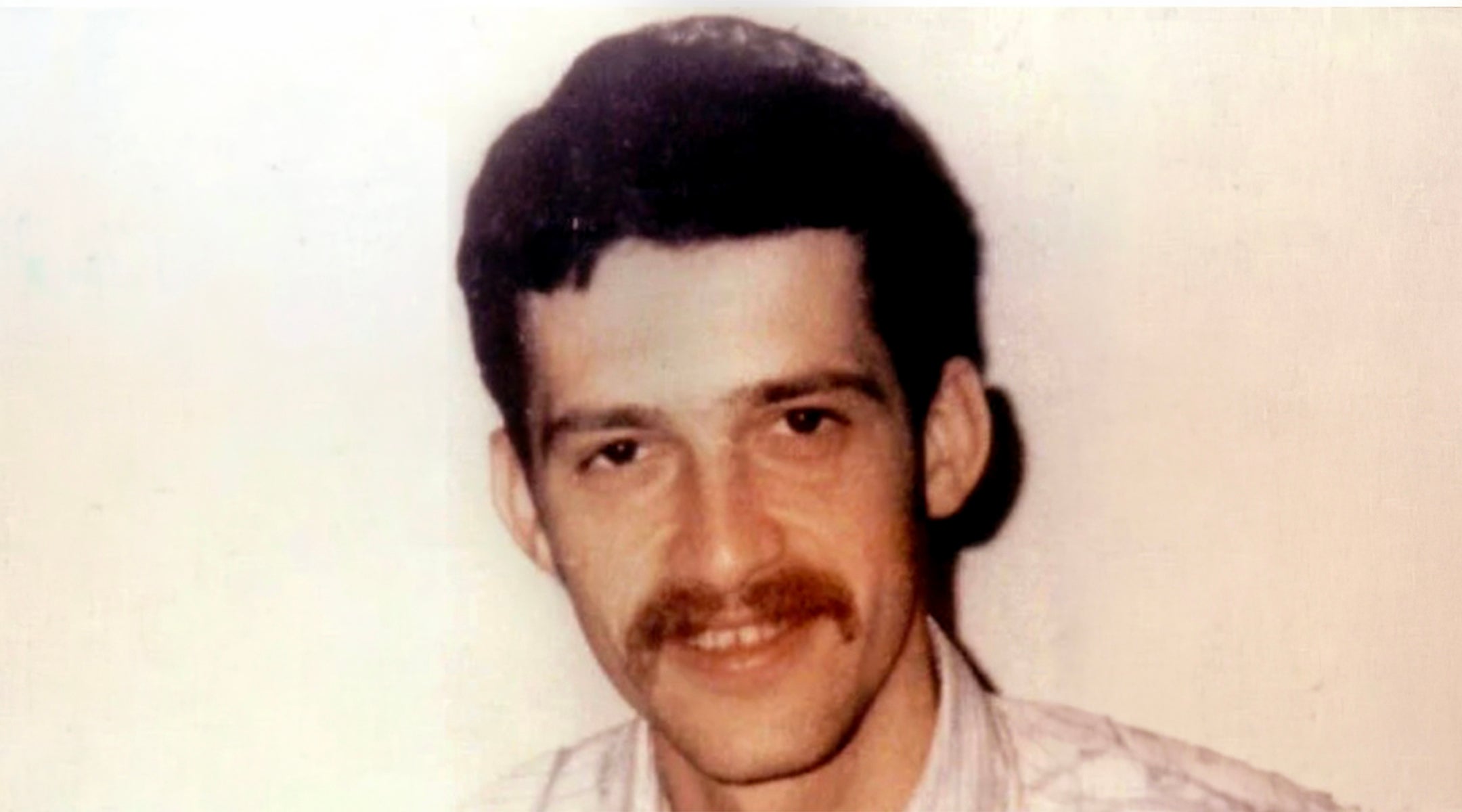
The remains of Yehuda Katz, the last Israeli soldier still missing from the 1982 Battle of Sultan Yacoub during the First Lebanon War, have been recovered after 44 years, the Israeli military said Tuesday, bringing to a close one of the country’s longest-running missing soldier cases.
Katz, a 22-year-old tank gunner and yeshiva student who disappeared just 10 days before he was due to complete his military service, was one of three soldiers whose fate was unknown for decades after Israeli forces became trapped by Syrian troops in Lebanon’s Bekaa Valley on June 11, 1982.
Twenty Israeli soldiers were killed and dozens more were wounded in the battle, with six initially listed as missing. Three were later returned or confirmed dead, leaving Katz, Zachary Baumel and Zvi Feldman as the only soldiers whose fate were unknown. The remains of Baumel and Feldman were recovered in separate operations in 2019 and 2025.
Katz’s remains were located during a special overnight operation carried out by the IDF in cooperation with Mossad and based on intelligence obtained in recent months. They were returned to Israel and military representatives informed Katz’s family of the discovery Tuesday morning.
For the soldiers who survived Sultan Yacoub, the news ended a wait that had followed them for much of their lives.
Avi Rath, who fought alongside Katz, said the unresolved fate of his comrade had stayed with him for decades. “The look on the family’s faces stays with you your entire life, a look that says, ‘You didn’t finish the job,’” Rath said in an interview on Tuesday with KAN public radio’s “Kalman Liberman” program. “Thank God, this closes a circle and resolves some of the uncertainty, but there is also great pain. It weighs on our conscience.”
Katz had studied in the Hesder program at Yeshivat Kerem B’Yavneh, combining Torah study with military service. According to the yeshiva, he slept barely four hours a night while immersed in his studies. He had planned to become a rabbi and teach at a yeshiva after completing his military service.
On the night before the battle, Katz gathered fellow soldiers around him and taught them Maimonides’ laws governing the conduct of Jewish soldiers in battle, the yeshiva said on its website. He then led them in singing Psalm 23, including the verse about walking through the valley of the shadow of death.
Reporting the stories that define our era. When history unfolds in real-time, the Jewish world turns to (JEWISH REVIEW). Your support ensures we can document the complexities of war and the resilience of Jewish communities with integrity.