

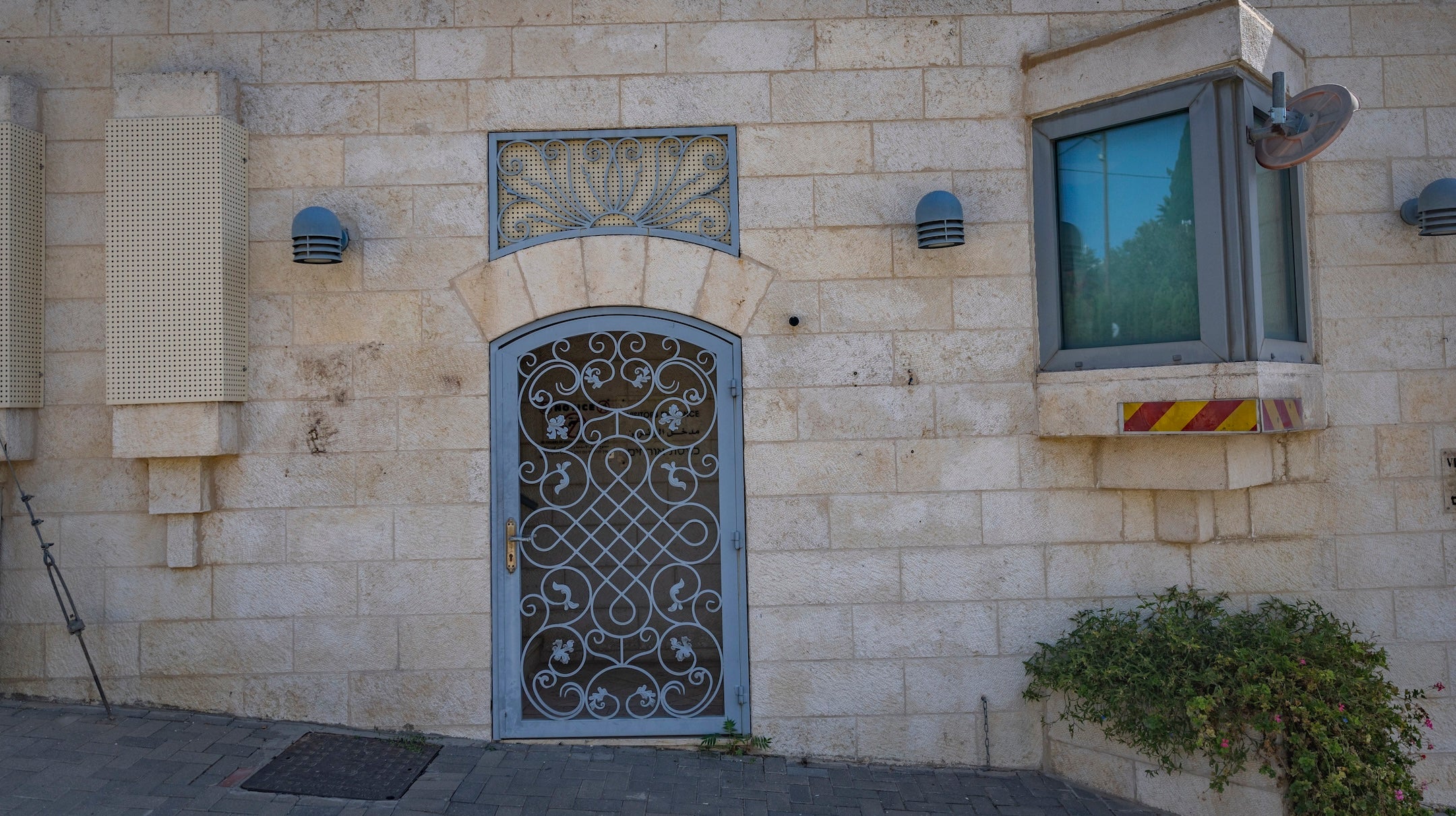
Israel announced it closed down British Consulate operations in East Jerusalem, forcing the departure of 20 diplomats from a mission that has operated for nearly 200 years.
Foreign Secretary Ed Miliband disputed Israel’s account on Thursday, saying, “we retain our long standing presence,” but acknowledging that the mission had been downgraded.
Israel was responding to Britain’s decision last month to ban Israeli imports from Jewish companies located over the pre-1967 lines, such as the West Bank and East Jerusalem. It’s a step that could take six months to implement.
The move increases tensions with Britain, a historically staunch ally of the Jewish state..
A steady flow of criticism from Miliband has exacerbated the tension since the Labour government he represents took office in July..
“The British Consulate in Jerusalem ended its role today. The Consul General and 19 diplomats are ending their assignments and will leave Israel,” said Gideon Sa’ar, Israel’s foreign minister.
He did, however, acknowledge that “We have allowed the British Government to operate a task force of only seven diplomats from the building, which ceased to function as a consulate today. Their scope of activity will be very limited.”
Miliband pushed back, explaining that Israel has neither the authority to close its consulate nor stop service delivery.
“We have been clear that we do not accept that the Government of Israel has the legal right to close the British Consulate General in Jerusalem, which has been there for nearly 200 years,” Miliband stated, noting that his government considered East Jerusalem to be “occupied territory.”
The consulate building will remain open and “will be known as the U.K. Mission, Jerusalem from today. The U.K. Mission, Jerusalem is independent, operational, and will continue to deliver vital services and our work with the Palestinian people,” Miliband said.
“This will ensure that we maintain our longstanding British presence and the U.K.’s role in support of a two-state solution,” he said.
Britain will “work in the coming months to build back up our presence, and we will not take reciprocal action while such discussions are underway and credible,” Miliband said.
Sa’ar said the closure was necessary: “It is not possible to act against Israel without Israel taking appropriate measures in response.”
“We did not want to reach this point, but the actions of the U.K. Labour Government brought us here,” Sa’ar said. He listed steps Britain has taken against Israel during the last three years of the Gaza war, separate from the trade ban. It included measures from both the existing Labour government led by Prime Minister Andy Burnham and his predecessor Kier Starmer.
Sa’ar said these included: unilateral recognition of Palestinian statehood in September 2025; suspension of licences for defense exports to Israel; sanctions on defense exports to Israel: sanctions on Israeli ministers, individuals and entities; the suspension of free trade agreement talks; restrictions on Israel’s participation in an international defense and security exhibitions in Britain; freezing of military dialogue and security cooperation and the prevention of IDF officers from participation in trainings at the Royal College of Defence Studies.
“All this was accompanied by hostile rhetoric, including false accusations against Israel, such as accusations of ‘ethnic cleansing,’” Sa’ar said.
The two countries have held talks to prevent the further deterioration of ties, Sa’ar said. He stressed the importance of the alliance and noted that “only recently, Israel provided Britain with vital information in the RAF Fairford affair.” He was referencing a foiled Iranian plan for a drone attack on U.S. bombers housed at a British airbase.
Miliband said his country stood by its measures against Israel, which were “in concert with the international community, in support of a two-state solution to deliver peace and security for the people of Israel and Palestine.”
Israel’s decision does not affect the British Embassy in Israel, located in Tel Aviv, which provides services to British-Israelis and whose ambassador is the main point of contact for British-Israeli relations. Given that the embassy and its staff only operate within the pre-1967 lines, the British Consulate in East Jerusalem was the main point of contact for British Palestinians and British relations with the Palestinian Authority in Ramallah.
As the Year Turns, Support the Journalism You Trust. (JEWISH REVIEW) covers the stories shaping Jewish life around the world — with the depth this moment calls for. As you reflect on the year ahead, consider a gift that keeps independent Jewish journalism strong.