
It isn’t over even when it’s over.
Whatever is extremely far from us in space
becomes extremely close to us when physically we travel,
and what is far from us in time may find a place
that seems extremely close if mentally we can unravel
the memory that binds us to it. Face to face
we may confront what we knew in a distant time,
Isaiah Berlin’s hedgehog cutting to the chase,
remembering the past as if it were recorded in a rhyme,
as hopefully for Jews on Passover the case
when we read texts in their our haggadahs while we are surrounded by
our family and friends, all making a backspace
in space and time which we with memory try to demystify.
Time and space are not passed over in the seder
if we can open our hearts for Elijah, like the door
we open for this messianic waiter,
the sommelier, as we the fifth wine cup for him pour,
not wandering — we hope — as Jews were forced to in the wilderness,
unable to reach Israel, like Terah, Abram’s father
whose failure to reach his goal may have been caused by his bewilderness,
like that of Jews compelled for seventy years in Babylon to gather.
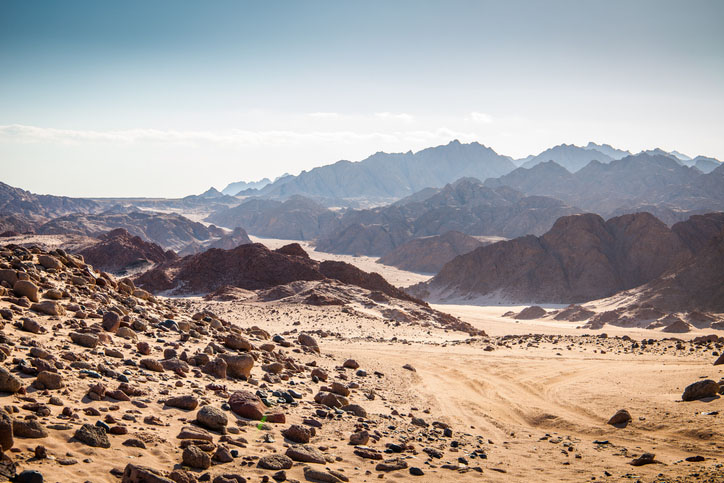
I suggest that Ezekiel 20 explains why God did not allow the Israelites to enter Canaan before exiling them in order to wander for forty year in the wilderness, the midbar, that linked Egypt to Canaan.
My hiddush also explains why God did not allow Terah to proceed to Canaan as he had planned to do in Gen. 11:31:
וַיִּקַּ֨ח תֶּ֜רַח אֶת־אַבְרָ֣ם בְּנ֗וֹ וְאֶת־ל֤וֹט בֶּן־הָרָן֙ בֶּן־בְּנ֔וֹ וְאֵת֙ שָׂרַ֣י כַּלָּת֔וֹ אֵ֖שֶׁת אַבְרָ֣ם בְּנ֑וֹ וַיֵּצְא֨וּ אִתָּ֜ם מֵא֣וּר כַּשְׂדִּ֗ים לָלֶ֙כֶת֙ אַ֣רְצָה כְּנַ֔עַן וַיָּבֹ֥אוּ עַד־חָרָ֖ן וַיֵּ֥שְׁבוּ שָֽׁם׃ Terah took his son Abram, his grandson Lot the son of Haran, and his daughter-in-law Sarai, the wife of his son Abram, and they set out together from Ur of the Chaldeans for the land of Canaan; but when they had come as far as Haran, they settled there.
Furthermore my hiddush explains why Ezekiel 20:36-37 uses the word “midbar “to describe Babylon as a place from which God would not redeem the Judeans until they inhabited it for seventy years, thirty years more than the Israelites wandered in the wilderness before God allowed them to enter the land of Canaan:
וְהֵבֵאתִ֣י אֶתְכֶ֔ם אֶל־מִדְבַּ֖ר הָעַמִּ֑ים וְנִשְׁפַּטְתִּ֤י אִתְּכֶם֙ שָׁ֔ם פָּנִ֖ים אֶל־פָּנִֽים׃
and I will bring you into the wilderness of the peoples; and there I will enter into judgment with you face to face.
כַּאֲשֶׁ֤ר נִשְׁפַּ֙טְתִּי֙ אֶת־אֲב֣וֹתֵיכֶ֔ם בְּמִדְבַּ֖ר אֶ֣רֶץ מִצְרָ֑יִם כֵּ֚ן אִשָּׁפֵ֣ט אִתְּכֶ֔ם נְאֻ֖ם אֲדֹנָ֥י יֱהֹוִֽה׃
As I entered into judgment with your ancestors in the wilderness of the land of Egypt, so will I enter into judgment with you—declares the Sovereign GOD.
This hiddush provides a new interpretation of Exod. 13:17:
וַיְהִ֗י בְּשַׁלַּ֣ח פַּרְעֹה֮ אֶת־הָעָם֒ וְלֹא־נָחָ֣ם אֱלֹהִ֗ים דֶּ֚רֶךְ אֶ֣רֶץ פְּלִשְׁתִּ֔ים כִּ֥י קָר֖וֹב ה֑וּא כִּ֣י ׀ אָמַ֣ר אֱלֹהִ֗ים פֶּֽן־יִנָּחֵ֥ם הָעָ֛ם בִּרְאֹתָ֥ם מִלְחָמָ֖ה וְשָׁ֥בוּ מִצְרָֽיְמָה׃
Now when Pharaoh let the people go, God did not lead them by way of the land of the Philistines, although it was nearer; for God said, “The people may have a change of heart when they see war, and return to Egypt.”
The hiddush implies that God’s rationale for disallowing the Israelites to enter the land of Canaan immediately after He had redeemed them from slavery in Egypt, condemning them to wander in a wilderness for forty years, according to my novel interpretation of Exod. 13:17, was motivated in order to prevent them from entering the land of Canaan while still infected by the ideology of the Egyptians that Ezekiel 20 informs us infected them in Babylon. God’s reason for delaying the redemption of the Judeans from Babylon, forcing them to remain ‘bewildered in the wilderness’ of Babylon for seventy years, was to prevent a continuation of their idolatrous support of Babylonian ideology, a reason that echoes the one for not fully redeeming the Israelites when he did not allow them to enter the land of Canaan immediately after their slavery in Egypt, and just as He had not enabled Abram’s father Terah to enter the land of Canaan while he was still contaminated by Mesopotamian idolatrous ideology.
Another reason God condemned the Israelites to spend forty years in a wilderness — as He would later condemn the Judeans exiled in Babylon to spend seventy years in the Godless wilderness of Babylon — was in order to enable their leader, Moses, to correct their misbehavior by means of words that he spoke to them, including the “Not Beyond the Fringe” law in Numbers 15:37; this hiddush is implied by Hos. 2:16, a verse which is based on a meaningful wordplay between the Hebrew word for “wilderness “ (midbar) and “talk” (dbr):
טז לָכֵן, הִנֵּה אָנֹכִי מְפַתֶּיהָ, וְהֹלַכְתִּיהָ, הַמִּדְבָּר; וְדִבַּרְתִּי, עַל-לִבָּהּ. 16 Therefore, behold, I will allure her, and bring her into hamidbar, the wilderness, vedibarti, and I will speak, tenderly unto her heart.