

Long before artificial intelligence entered film sets and editing rooms, director Stuart Acher spent time thinking about the future.
His favorite film was “Back to the Future,” the 1985 box office hit about time travel and alternate timelines, and featured flying cars and hovering skateboards. For Acher, the film remains his north star on storytelling and about where movies could go.
Today, artificial intelligence tools can generate images, voices and scenes in ways that once required large visual effects teams.
For filmmakers, the question is no longer whether AI will appear in the creative process. It already has.
Acher works as a director, editor and professor who teaches AI filmmaking at Emerson College. The son of a Polish-born opera singer and an Egyptian-born advertising executive who worked on Madison Avenue, Acher found his way into filmmaking as a student. At the Sundance Film Festival in 2012, film critic Roger Ebert championed Acher’s short film “Bobby Loves Mangos.” The recognition led to a development deal with DreamWorks. Since then, Acher directed feature films including “#Stuck,” starring Joel David Moore and Madeline Zima, and “Mantervention,” starring Mario Van Peebles and Chloe Bridges. He has directed television including episodes in Season 5 of “Z Nation,” and has spent years working as a film editor on projects across Hollywood.
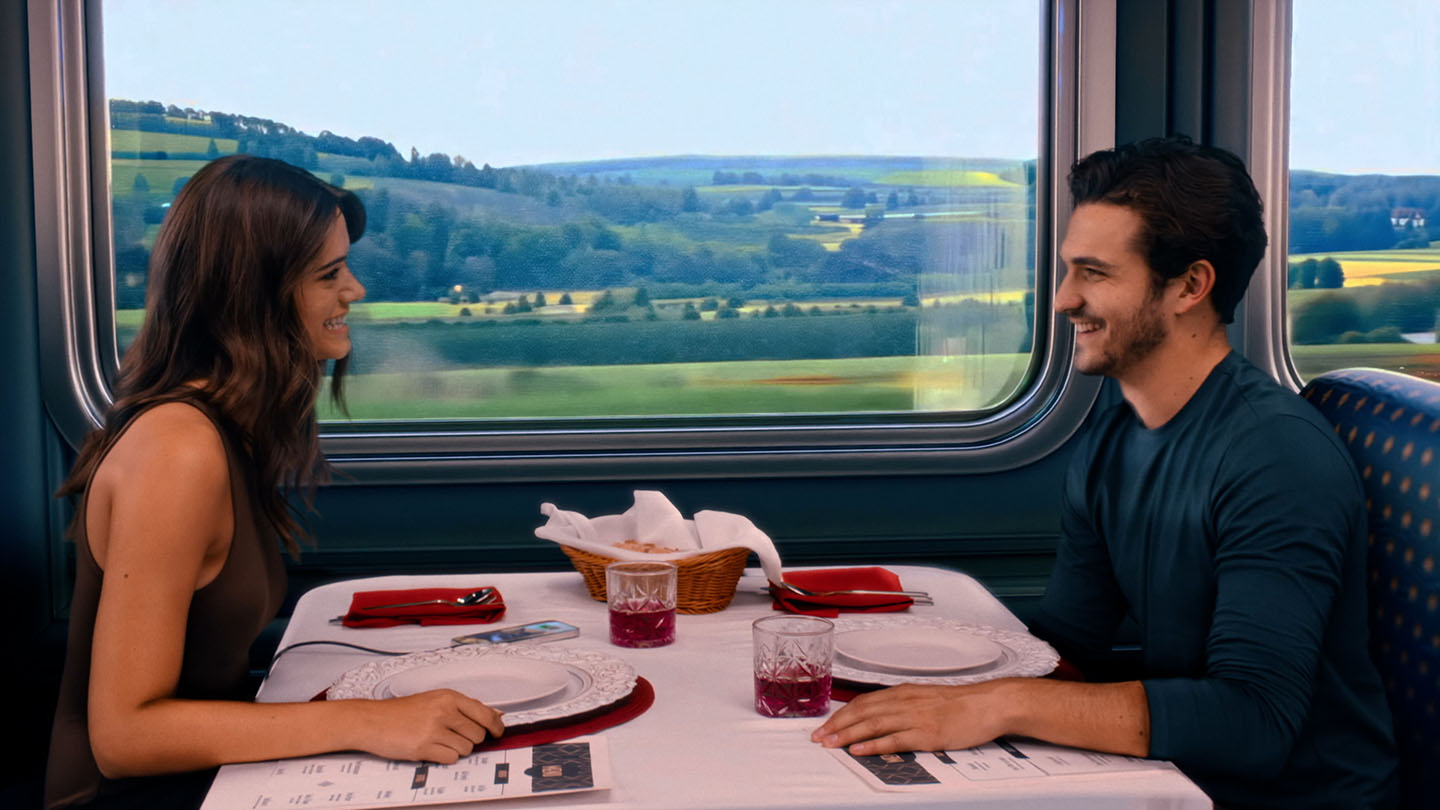
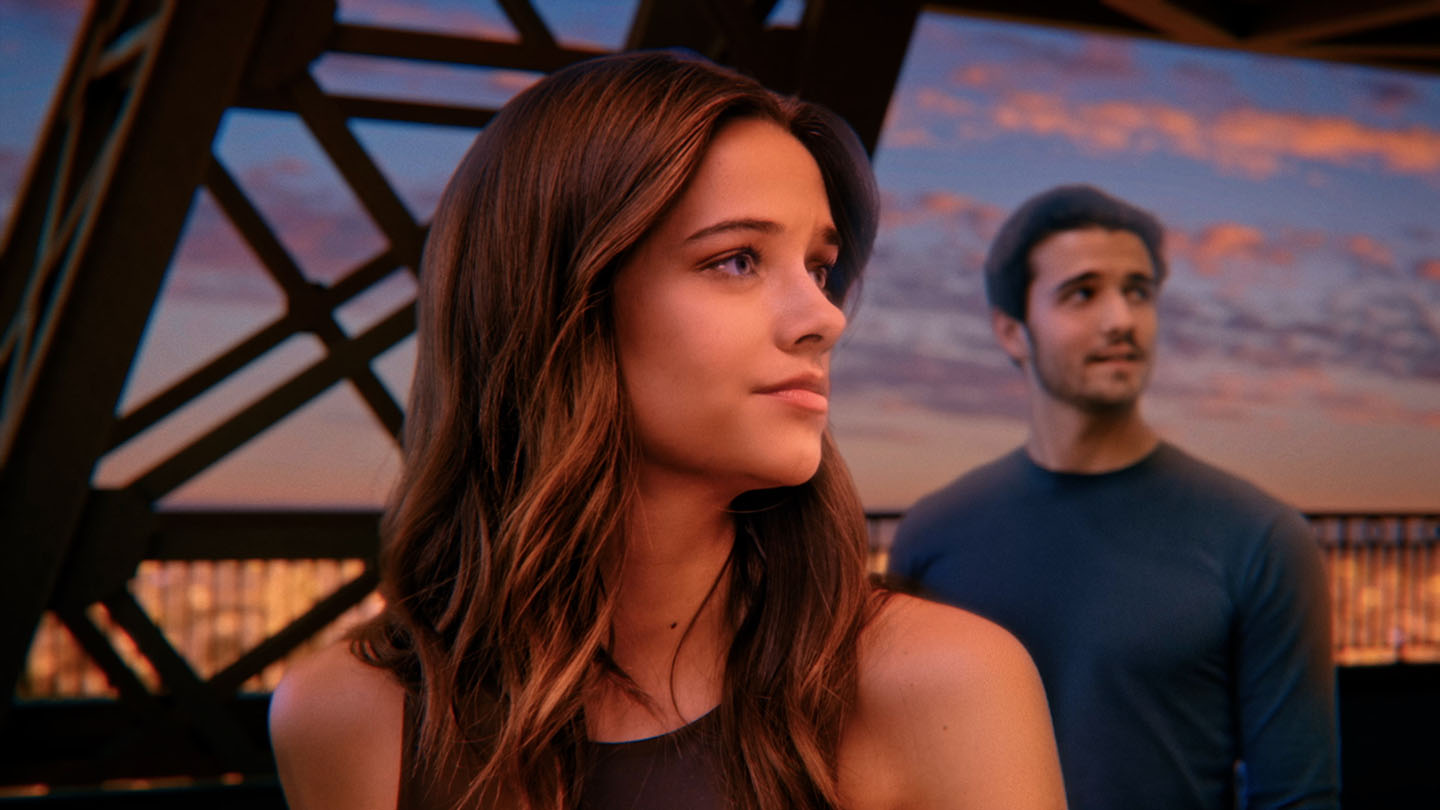
In 2025, he released an AI-generated short film titled “Next Stop Paris,” produced for TCL Studios. The project combined performances by actors with AI-generated visuals and environments. More than 80 people contributed to the production over an eight-month period, including writers, actors, visual effects artists, designers and engineers.
Acher described the film as an “ethically-produced AI project.” The film relied on actors and artists whose work guided the AI-generated imagery rather than fully replacing human creators.
“At first every person was afraid of being replaced,” Acher said. “My inquisitiveness was like, ‘Well, know your enemy, right?’” Instead of rejecting the technology, Acher decided to experiment with it.
“And as I started working on it, I realized, oh wait, this is a tool,” he said. “This thing’s not going to replace me or anyone pretty quickly because you really need even a story to tell.”
One year later, the tools have already changed.
“Every 10 minutes there’s a brand new tool or a re-upping of a version of a tool that works so well that if you don’t stay relevant, you get left behind,” he said. “If I spend one week on vacation, I will be behind in the AI advancement of tools.”
Acher said many of the tools now used for AI filmmaking did not exist when his team created “Next Stop Paris.” Filmmakers have entered what he calls the “AI race.”
“There’s trillions of dollars being put into these tools every day by major companies.” And now, AI systems are blurring the production boundaries that comprised traditional filmmaking for a century: pre-production, production and post-production.
Despite the arrival of new technology, Acher said one part of filmmaking remains unchanged: actors.
“Nothing’s going to replace an actor,” Acher said. “Even the process allows magic that just will never be captured alone in a room.”
In his own work, Acher records actors performing scenes and uses those performances to guide AI-generated visuals.
Generative AI still carries major risks, especially in the hands of belligerents. Fabricated images and deepfake videos can circulate around the world before anyone questions whether they are real.
“The accusation is the nail in the coffin,” Acher said. “It doesn’t matter whether it’s true or not.”
Acher’s own personal filter is drawing a line between storytelling and what he calls the ravenous hunger to “capitalize eyeballs online” at all costs.
“I call it the C word: content,” Acher said. “I don’t like that word.” Quality storytelling, he said, has already begun to take a back seat. The technology already lowers barriers for people who want to make films. At the same time, he questioned whether these shortcut tools automatically lead to better storytelling.
“This is all great, it’s the democratization of filmmaking,” he said. “But I’m not sure filmmaking should be democratized. Not everyone is capable of being a great storyteller.”
Many AI filmmakers, he said, focus on visuals or trailers rather than full narratives.
“There’s a lot of trailers and a lot of smoke and mirrors of people putting stuff out there, but there’s not storytelling with beginnings, middles, and ends.”
For students learning the technology, Acher said the lesson remains the same. “To me, if you want to be a filmmaker today using these tools, you still need to be a traditional filmmaker,” Acher said.
One place where Acher believes AI may help filmmakers is in historical storytelling. For more than a decade, he has worked on a documentary about Traian Popovici, a Romanian mayor who issued documents that protected thousands of Jews from deportation during the Holocaust.
“He saved 20,000 Jews and no one knows who this guy is,” Acher said. The project also includes research into Acher’s own family history and the disappearance of his great-grandfather during the war.
The investigation took him across Eastern Europe while searching for contemporary documents from over 80 years ago. At one point, he clandestinely filmed inside a former KGB headquarters while searching for archival material connected to his family history.
AI tools are now changing the massive budgets required for recreating historical scenes in documentaries. It’s one of the reasons Acher says he’s fired to ramp up his production pace.
“I can now do all these recreations and things that I could never afford to shoot,” Acher said. “And now with a modest budget, we can actually complete the film.”
AI filmmaking tools represent another chapter in a long history of technological change in film production. Color film and sound were introduced in the mid-20th century, and production evolved again as digital filmmaking arrived. The most important ingredient in storytelling remains the same, then, now and in the future.
“Heart,” Acher said. “If you don’t come from a place of heart, the storytelling is inauthentic, and it might as well have been created fully by AI.”