
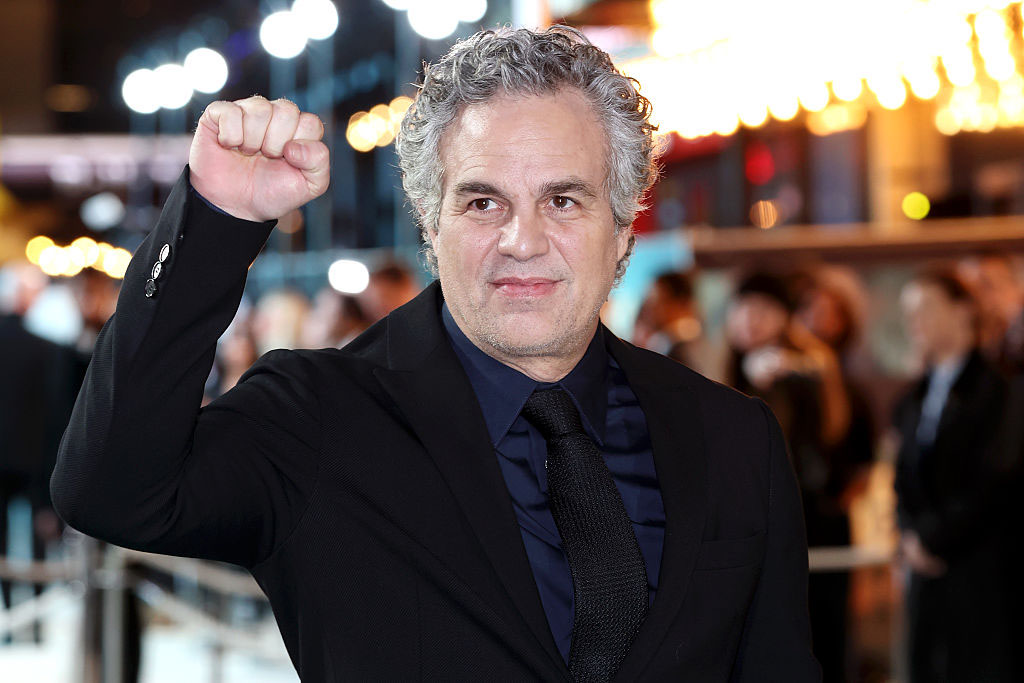
Mark Ruffalo escalated his campaign against Paramount Skydance’s proposed $111 billion takeover of Warner Bros. Discovery on Friday, accusing the Ellison family and Oracle of complicity in what he called a “genocide” in Gaza—and warning that the company’s technology could eventually be “used on you.”
The actor shared a video of Oracle Executive Vice Chair Safra Catz discussing the company’s assistance to Israel after Hamas’ Oct. 7, 2023 terrorist attacks. “Look how she revels in what we now have come to see as a genocide, which was built on an apartheid system of oppression powered by Oracle,” Ruffalo wrote on his social media chanels.
Ruffalo then connected Oracle founder Larry Ellison’s financing of his son David Ellison’s Warner Bros. bid to an ominous warning about concentrated power.
“These ‘really profoundly scary technologies’ will most likely be merged into one of the largest media conglomerates in the world and one day used on you,” he wrote, calling Larry Ellison a “classic oligarch” and the merger “illegal.”
Ruffalo did not confine his argument to market concentration or other typical criticisms of a deal. Instead, he made the Ellisons’ relationship with Israel—and the nationality of an Oracle executive—a core part of his indictment of the merger.
That shift comes amid a growing dispute over whether anti-Israel politics and antisemitism have become embedded in parts of the “Block the Merger” campaign.
Paramount Chief Legal Officer Makan Delrahim alleged in June that some opponents were trying to damage the transaction “because of their own antisemitic views.” Axios subsequently reported that others inside Paramount shared that concern, pointing to anti-Israel rhetoric and applause for a “Free Palestine” declaration at an anti-merger gathering.
Israel has repeatedly surfaced in a debate ostensibly about competition and media ownership. TheWrap reported that Codepink had introduced anti-Israel rhetoric into merger protests. It also cited a New York Post investigation describing financial and organizational connections among groups supporting the campaign.
Ruffalo’s history makes his latest rhetoric more concerning. In 2020, he described Israel as a form of “apartheid.” In 2021, he accused Israel of genocide before publicly apologizing.
“It’s not accurate, it’s inflammatory, disrespectful & is being used to justify antisemitism here & abroad,” Ruffalo said at the time.
The following year, he promoted opposition to the International Holocaust Remembrance Alliance working definition of antisemitism. In 2025, he joined a pledge to boycott Israeli film institutions that organizers accused of complicity in “genocide and apartheid.” Organizers insisted the pledge targeted institutions rather than individual Israeli filmmakers; Paramount argued that it would effectively silence artists based on nationality.
In other words, Ruffalo has now revived a charge he once acknowledged was inflammatory and capable of fueling antisemitism, while attaching it to a Jewish family’s ownership of a major media company and warning of frightening technology and concentrated control.
By turning Israel and not antitrust concerns into the moral engine of his argument, he has again crossed from criticism into rhetoric that echoes some of the oldest and most dangerous suspicions about Jewish power.