
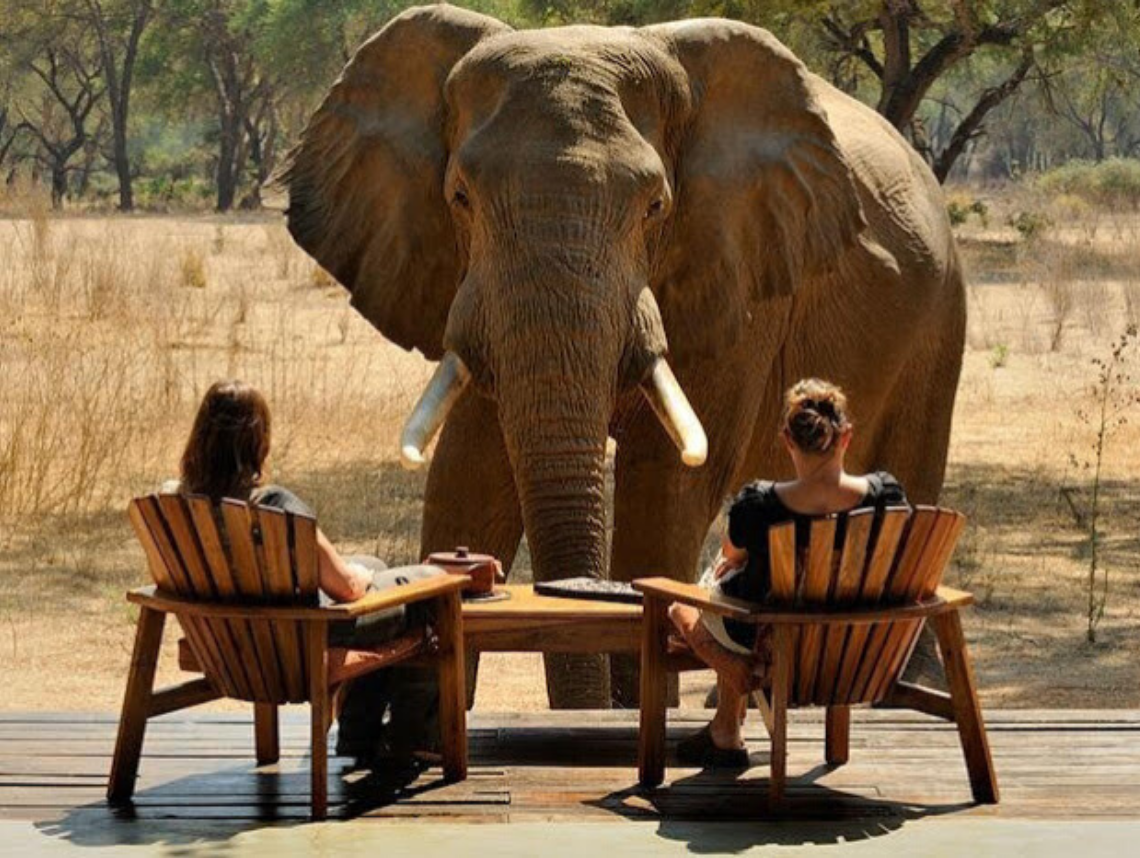
Part of an ongoing series on African safaris; different countries, radically different experiences. Start here if you’re trying to figure out where on this extraordinary continent to begin.
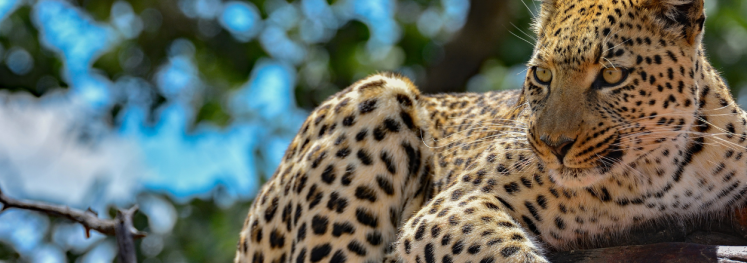
| About the Author I’ve been on safari across both East and Southern Africa. From tracking the Great Migration across the Maasai Mara and Serengeti, to gorilla trekking in Rwanda, to open-vehicle game drives on private concessions in South Africa, Botswana, and Zambia. I’ve slept in tented camps in Tanzania, woken up to elephants outside my suite in Kruger, and rafted the Zambezi at the base of Victoria Falls. These regions are not interchangeable. I know both — and I’m going to tell you exactly how they differ. Delia du Plessis — Luxury Safari Specialist | luxetravelpartner.com |
Choosing between East Africa and Southern Africa is not really a geographical question. It is a question about who you are as a traveler, and what kind of experience you want to carry home. Both regions will take your breath away, but in entirely different ways, at different price points, in different landscapes, and with different logistics attached.
The region that will be your version of perfect depends entirely on your travel style, and that is exactly what this post is designed to help you figure out.What I found is that the choice is rarely obvious until you understand the nuances. Clients have raved about the migration but ended up falling in love with the idea of a walking safari in Zambia instead. Others come in asking about gorilla trekking and end up booking Botswana. The more you understand about what each region actually feels like, the clearer your decision becomes.
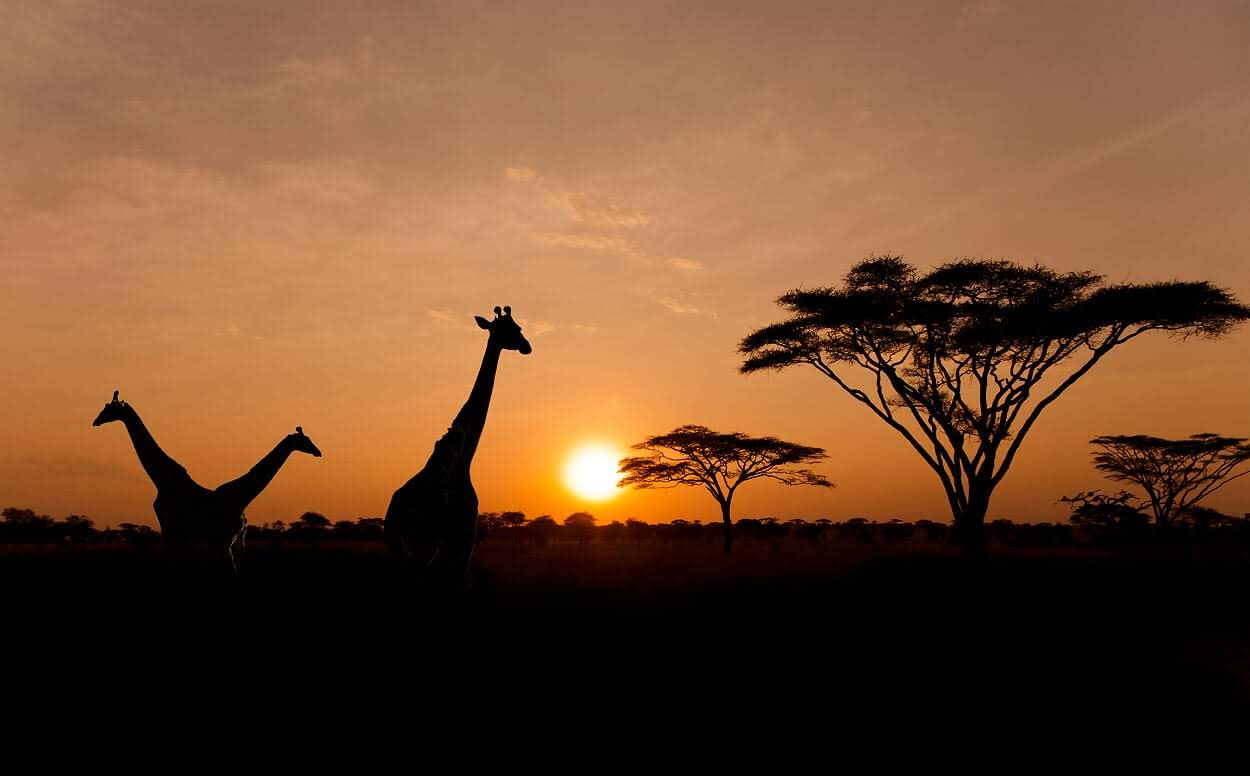
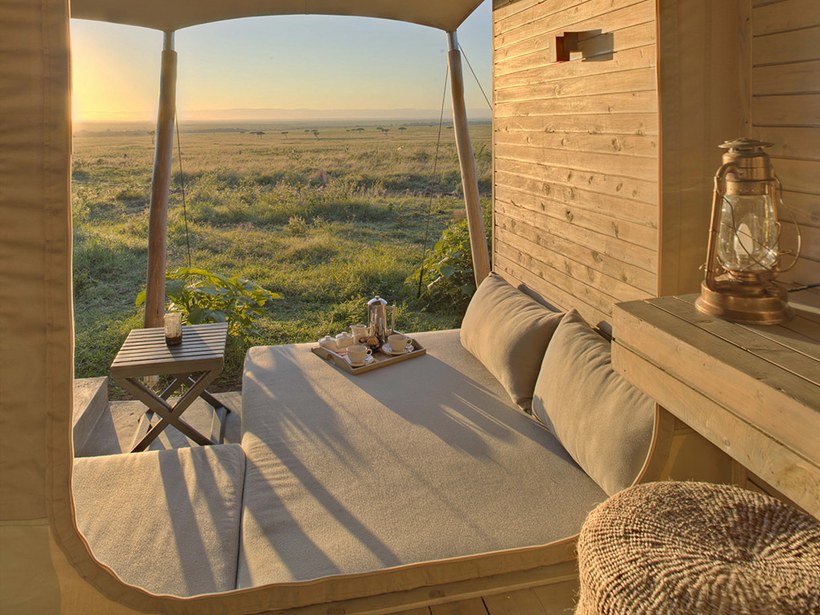
Before You Look at a Single Destination, Answer These Questions.
The most helpful thing I can do before throwing destinations at you is to ask you a few questions that will shape everything. Travel style is not a minor consideration on a safari, it is the whole ballgame.
- Do you want a large-scale, cinematic experience, sweeping plains, enormous skies, and the feeling that the world existed long before humans arrived?
- Or do you want something intimate and up-close, a leopard at arm’s length from an open vehicle, a ranger who knows individual animals by name, a walk through the bush at dawn with a tracker reading the ground?
- Who is traveling with you? Young children, a couple celebrating a milestone, a multi-generational family, a group of adventurous friends, or a solo traveler? Each has a different answer.
- How long do you have? Less than ten days limits your options meaningfully. Two weeks opens almost everything up.
- What is your budget? This is not a trap, it is a genuine planning tool. The two regions have very different price points, particularly at the luxury end.
Hold those answers. They matter throughout everything that follows.
How I Make Lodge Recommendations: Every lodge I recommend to my clients, has been vetted not only for the quality of the safari experience, but for its conservation practices, its relationship with local communities, and its approach to the land it sits on. I will never recommend a property that has a cavalier attitude toward over-tourism, that prioritizes volume of guests over quality of encounter, or that treats wildlife viewing as a performance rather than a privilege.
East Africa: The Classic. The Cinematic
Countries: Kenya, Tanzania, Uganda, Rwanda:. East Africa is where the genre was invented, and if you look at a landscape here long enough, you begin to understand why. The plains are genuinely vast and the skies are enormous in a way that photographs cannot fully communicate. There is a sense of age to this landscape, millions of years of evolution playing out across grasslands that stretch to the horizon, that makes you feel very small and very lucky to be there.
| My Experience: I have driven the Maasai Mara at dawn with no other vehicles in sight and watched a cheetah begin a hunt in the early light. I have crossed into the Serengeti by light aircraft and seen the plains open up beneath me in a way that made me genuinely catch my breath. East Africa feels like the world before humans got in the way. |
The Great Migration: The Greatest Show on Earth, With All the Chaos That Implies.
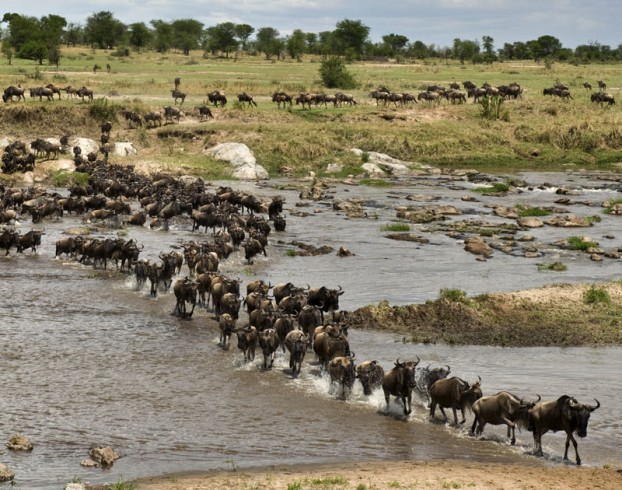
Over 1.2 million wildebeest and 300,000 zebra, along with topi and other gazelle species, move in a continuous clockwise loop through the Serengeti-Maasai Mara ecosystem, following the rains and the grass. The loop takes them from the calving grounds of the southern Serengeti, north through the central and western Serengeti, across the border into Kenya’s Maasai Mara, and back again. It is a year-round phenomenon, which means you can witness some part of it in almost any month, as long as you are in the right place at the right time.
The river crossings are what most people picture, and they are as dramatic as advertised. Thousands of wildebeest build up on one bank, then something shifts in the collective decision-making and they launch themselves into the Mara River in a churning mass of muscle and panic. The crocodiles are waiting. The banks are steep and treacherous. A significant number of animals do not make it, broken-legged, taken mid-river, or simply overwhelmed by the current. It is not a comfortable watch but it is one of the most compelling things I have ever seen, and it will stay with you for years.
| “The river crossing is not a wildlife documentary. It is loud, chaotic, and completely raw. Some animals make it. Some do not. Not for sensitive peeps (like me). |
Best Time for Mara River crossings: Late July through September is the sweet spot, with August typically delivering the most dramatic action. The herds arrive at the Kenya-Tanzania border area from around July and the push into the Mara peaks through August before tapering off by late September or October. The migration is driven entirely by rainfall and grass growth, not a fixed calendar, which is why the timing shifts year to year and why booking through someone who tracks these patterns matters. The calving season draws every kind of predator and again not for the sensitive traveler.
| Peak Visiting Time: June to October for game viewing across Kenya and Tanzania. July to September specifically for Mara River crossings. January to March for calving season in the southern Serengeti. March to May (long rains) and October to December (short rains) are low season, with some camps closing. |
Kenya: Maasai Mara, Amboseli, and Beyond
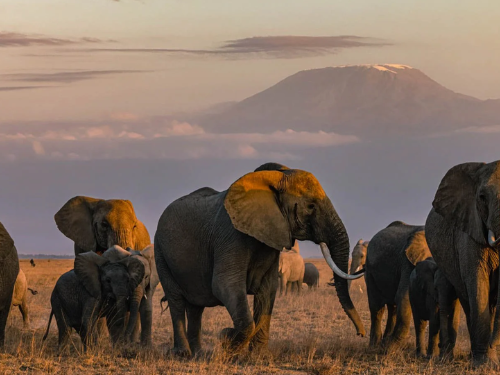
The Maasai Mara is the jewel, with exceptional year-round wildlife, extraordinary predator density, and the northern arc of the Migration. Amboseli National Park delivers one of the great postcard images of Africa: elephant herds moving across open plains with Kilimanjaro rising behind them, and it genuinely looks like that in person. The conservancies bordering the Mara offer a more exclusive, low-vehicle experience with some extraordinary lodges that rival anything in Southern Africa for quality.
Tanzania: Serengeti, Ngorongoro, and the Zanzibar Add-On.
The Serengeti is one of the most biodiverse ecosystems on the planet, with resident predator populations that stay year-round regardless of where the Migration is. You do not need to time it for the crossings to have a transformative experience here. The Ngorongoro Crater is a collapsed volcanic caldera forming a natural enclosure that holds over 25,000 large animals including the densest known population of lions in Africa, numbering around 62 individuals, and a small but significant population of black rhino, currently around 26 individuals within the crater itself, though numbers in the broader conservation area are recovering toward and above 50.
| My Experience: Tanzania’s landscapes feel ancient in a way that is hard to articulate. Driving down into Ngorongoro Crater with the walls rising on all sides and the floor laid out below you is one of those moments that simply does not fit into a photograph. I recommend building at least three nights in the Serengeti into any Tanzania itinerary, because it rewards the time. |
Zanzibar as an add-on to a Tanzania safari is one of travel’s great sequencing moves. Three or four nights on this spice-scented Indian Ocean island, with its whitewashed Stone Town, extraordinary seafood, and Indian Ocean beaches, provides a complete contrast to the raw wilderness of the bush and is particularly well suited to couples and honeymooners who want both worlds in one trip. For romance travelers I recommend a safari wedding and island honeymoon or the other way around. Again this depends on your travel style. For anyone else I recommend safari first then ending the trip on the island.
Rwanda: Gorilla Trekking and One of Africa’s Most Moving Experiences
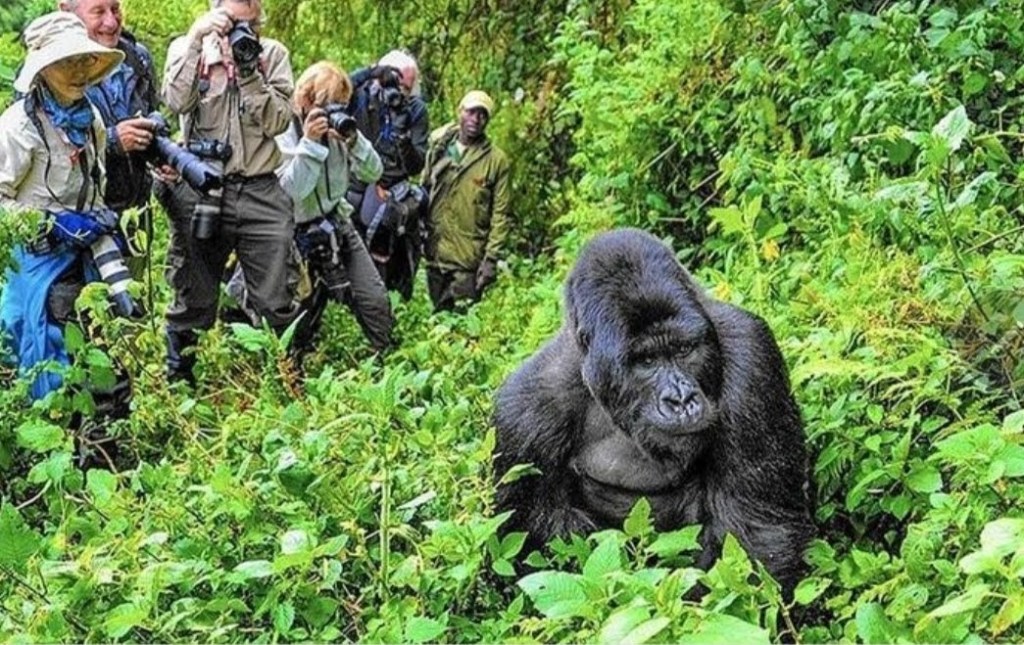
Coming face to face with a mountain gorilla family in the Virunga highlands is, without question, one of the most profound wildlife experiences I have ever had. It is not comfortable to get there. The trek through Volcanoes National Park involves altitude, mud, dense vegetation, and several hours of genuinely hard walking. None of that matters once you are sitting quietly in the presence of a silverback going about his morning, with juveniles playing in the undergrowth and a mother watching you with calm, intelligent eyes.
| My Experience: I was not prepared for how moving it would be. The physical similarity to being in the presence of something that shares a large percentage of our DNA is profound in a way you feel rather than think. Rwanda has also invested enormously in high-end lodge experiences around the trekking areas, and the country itself is truly beautiful. |
Critical logistics: Permits cost USD 1,500 per person in Rwanda and must be booked well in advance, sometimes a year ahead for peak months. The minimum age is 15 years, strictly enforced across all three gorilla trekking countries by mutual agreement. Uganda offers permits at a lower price point (USD 700 to 800), with the same minimum age requirement.
Best time for gorilla trekking: Year-round, but June to September and January to February offer the driest trekking conditions. The wet seasons (March to May and October to November) make trails muddier and harder going, though the gorillas are equally present.
East Africa: Who Will Love It Most
- First-time safari travelers who want the classic experience with well-developed infrastructure and iconic landscapes.
- Migration chasers for whom the Mara River crossing is a lifelong ambition.
- Primatology and culture travelers drawn to gorilla trekking, Maasai communities, or Swahili coast history.
- Travelers working with a considered budget who still want a luxury experience, as East Africa often offers strong luxury options at more accessible prices than Southern Africa.
- Photographers who want the scale of wide-open plains and massive herds stretching to the horizon.
Southern Africa: Where Safari Becomes More Personal
Countries: South Africa, Botswana, Namibia, Zambia, Zimbabwe, Mozambique, Malawi. Southern Africa is where safari shifts from spectacle to something more intimate and, for many travelers, more affecting. The landscapes are more varied, from the inland waterways of the Okavango Delta to the stark dune fields of Namibia to the green hills of the Cape Winelands, and the wildlife encounters tend to happen at closer range, on smaller concessions, with fewer vehicles and more time.
This is also where the concept of luxury safari reaches its most refined expression. The private game reserves of South Africa, Botswana, and Zambia are producing lodge experiences that compete directly with the world’s finest hotels, and they happen to have elephants walking past the plunge pool.
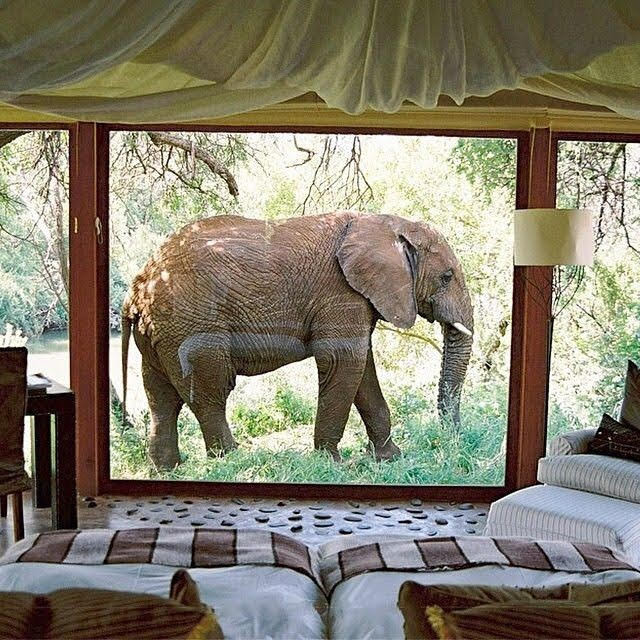
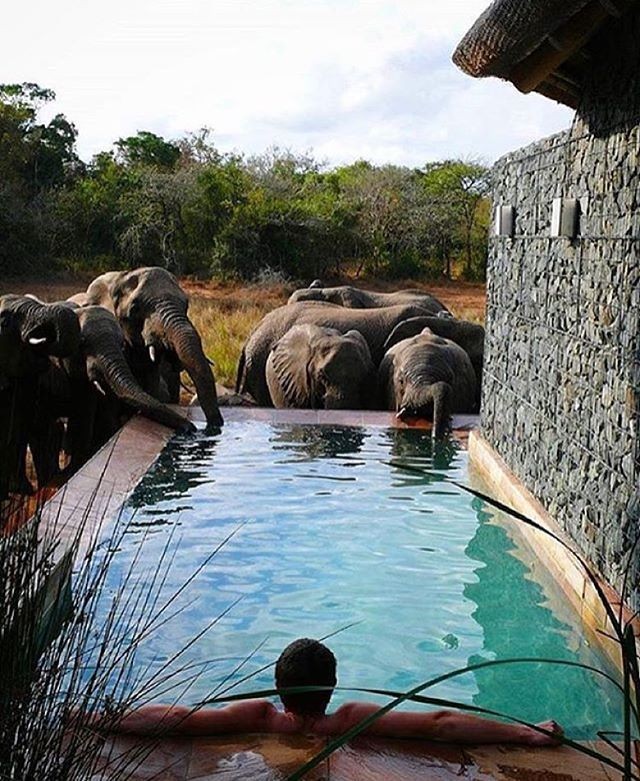
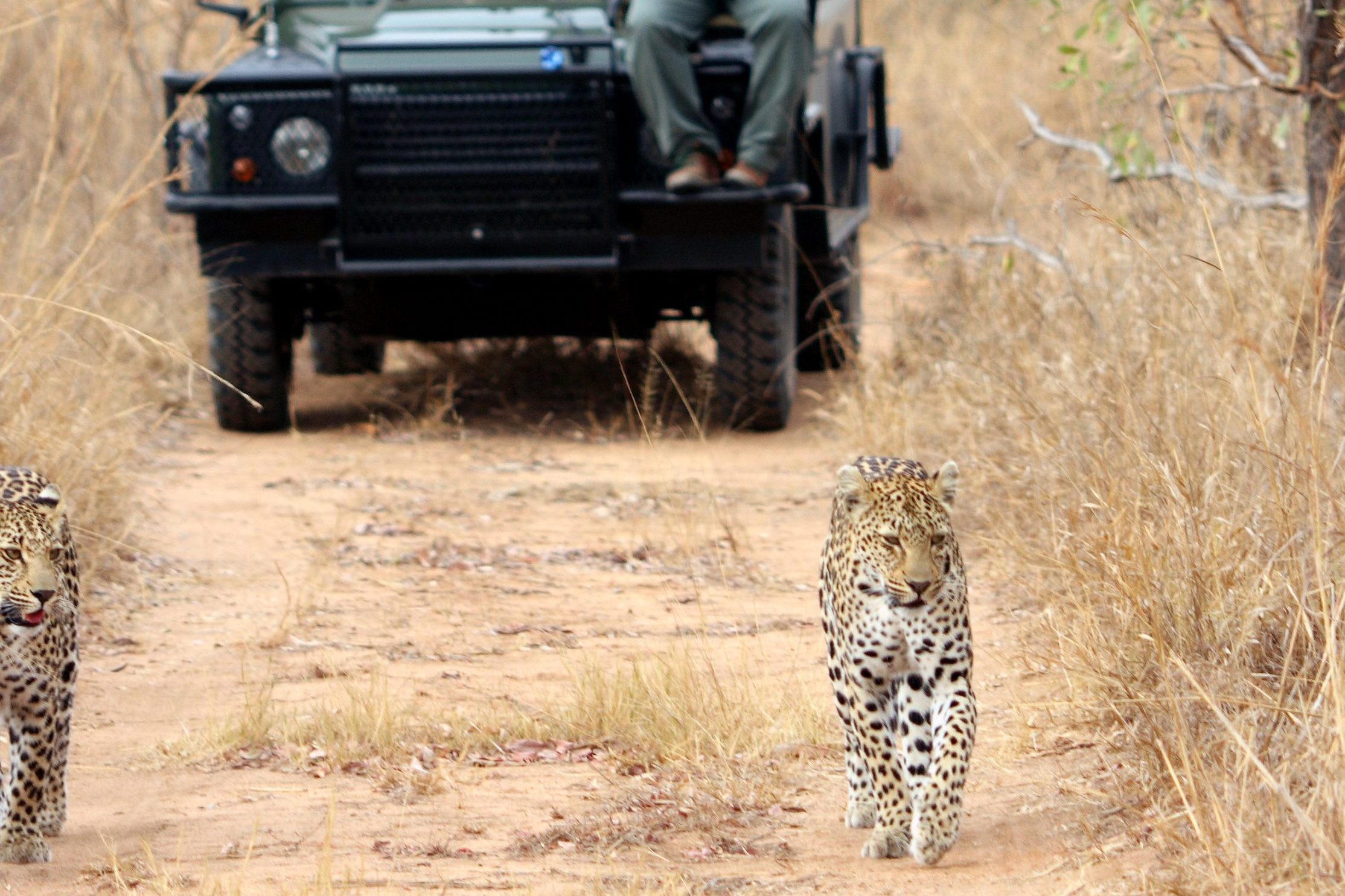
| My Experience: I have been on open-vehicle drives in the Sabi-Sand where a leopard walked alongside the vehicle for ten minutes without breaking her stride. I have done a mokoro safari through the Okavango Delta at dawn, completely silent except for birdsong and the occasional splash of a hippo. I have walked with a tracker following lion prints in the early morning sand. To say these are unforgettable moments is the understatement of a lifetime. |
What Makes Southern Africa Different on the Ground
Open vehicles on private concessions are the single biggest practical difference. In Southern Africa, game drives on private land happen in completely open-sided 4x4s with no roof, no window, and nothing between you and whatever is standing two meters away. Combined with expert guides who have spent years learning individual animal behavior within a specific territory, this is how you get the kind of encounters that end up in wildlife films. In Southern Africa they are also aloud to follow an animal literally off-road which is not aloud in Kenya/Tanzania.
Private concessions also mean exclusivity. Fewer vehicles at a sighting, no set routes, night drives permitted, and the option of walking safaris led by experienced trackers.
The diversity of landscape across Southern Africa is genuinely staggering. A desert safari in Namibia’s Damaraland tracking desert-adapted elephant, a water-based mokoro experience through the Okavango Delta, a walking safari through Zambia’s South Luangwa along the Luangwa River, and a bush-and-wine experience in South Africa’s private reserves can all be woven into a single itinerary if you plan it thoughtfully.
| Peak Visiting Time for Southern Africa: May to October is the dry season and prime game viewing season across Botswana, South Africa, Zambia, and Zimbabwe. July to September is the very best window: the vegetation is sparse so animals are easy to spot, waterholes become focal points for extraordinary concentrations of wildlife, and temperatures are comfortable. October gets hot but the game viewing is extraordinary. November to March is the wet season: lush, green, good for birdwatching and baby animals, but harder game viewing and some remote camps close. |
| “Southern Africa is where you stop watching wildlife and start feeling like you are a part of it.” |
A note on Kruger National Park specifically: SANParks has significantly expanded the guided activity offering within the park beyond self-drive game viewing. Guided night drives in open vehicles run from a number of rest camps, and guided morning bush walks with armed rangers are available from various camps throughout the park. The smaller bushveld camps such as Bateleur, Talamati, and Shimuwini offer a genuinely remote and intimate experience in areas restricted to overnight guests only, with no restaurants or shops and a real sense of being deep in the wild. These are not the same experience as a private concession, the night drives use larger shared vehicles rather than small dedicated groups, and the guiding model differs, but for travelers who want to be inside one of the world’s great wildlife areas with genuine expertise around them without the full private lodge price tag, this is an outstanding option.
A self-drive through Kruger combined with a few nights at a bushveld camp and a guided walk or night drive is one of the best-value safari combinations available anywhere in Africa, and one I recommend regularly to clients who want to experience the continent properly across different price points.
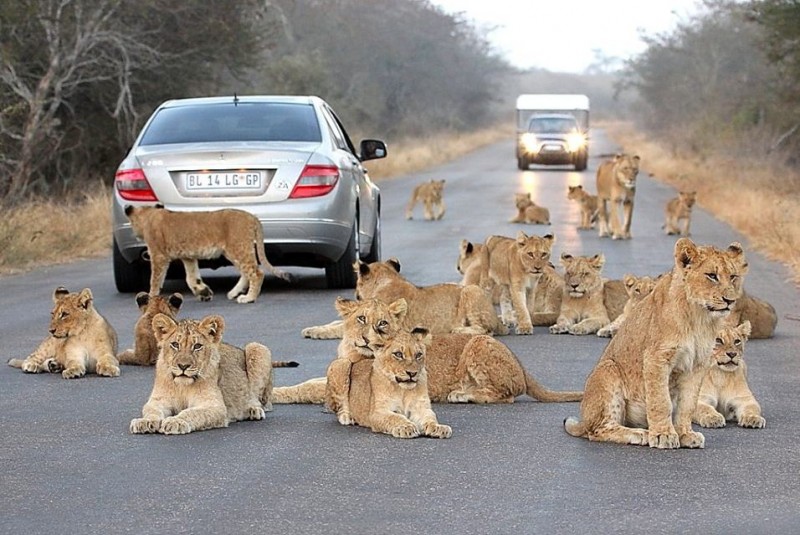
South Africa: The Perfect First Safari, and So Much More
South Africa is where I often direct first-time safari travelers, particularly those with young children, because it combines world-class infrastructure, exceptional food and wine, malaria-free game reserve options in the Eastern Cape and parts of the Western Cape, and Big Five game viewing on private concessions that rank among the finest on the continent. The Sabi Sand Game Reserve, adjacent to Kruger National Park, is particularly extraordinary for leopard sightings.
Botswana: Africa’s Most Deliberate Safari Destination
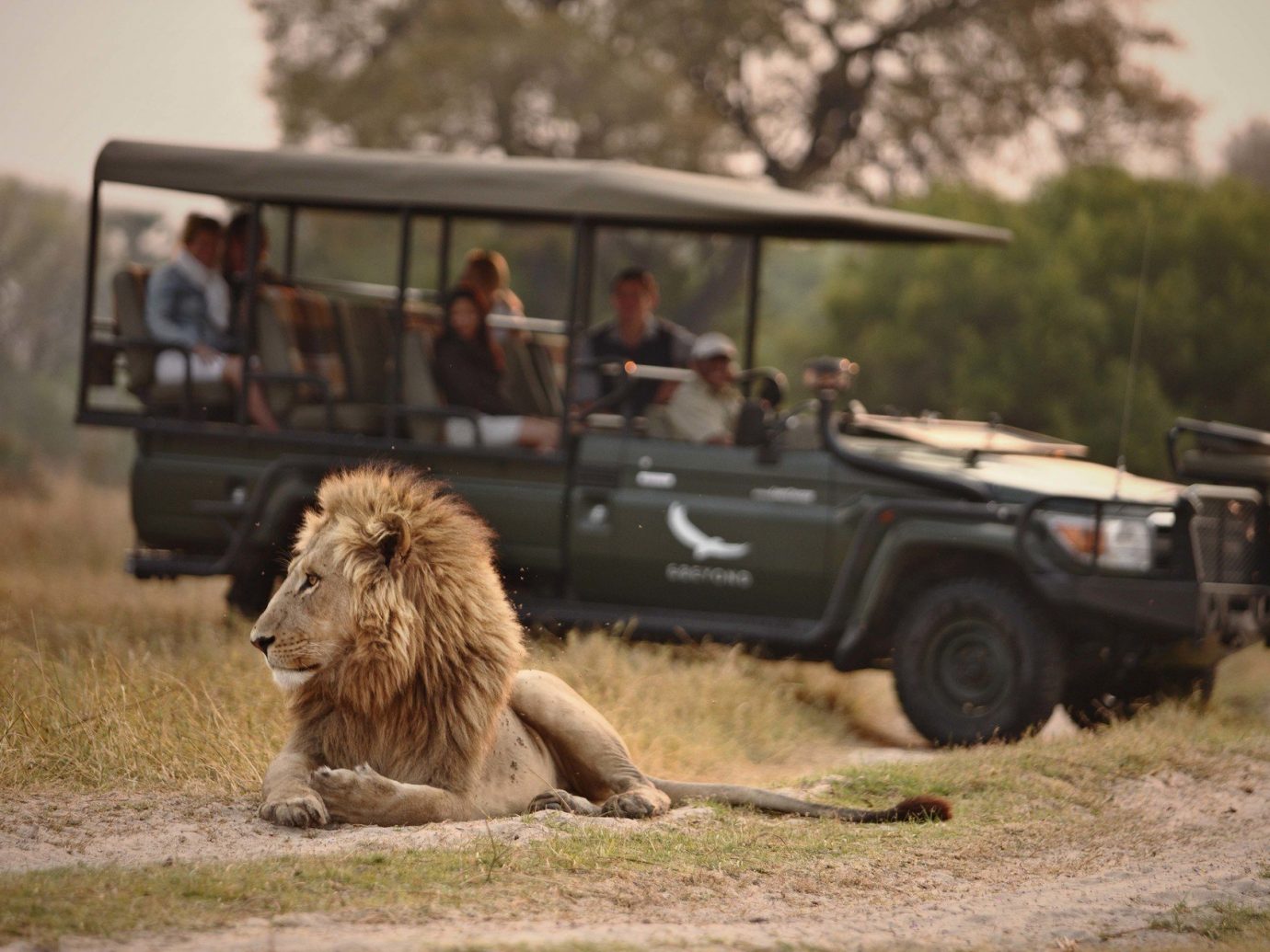
Botswana made a conscious, policy-level choice decades ago to position itself as a high-value, low-volume destination. Camp sizes are small. Visitor numbers are capped by government regulation. The conservation fees built into the pricing model directly fund the protection of the ecosystem. What this produces is the closest thing to an untouched wilderness experience available in modern Africa, particularly in the Okavango Delta.
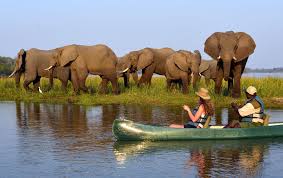
The Delta is one of the world’s great ecosystems: a vast inland waterway that floods seasonally from Angolan rainfall hundreds of kilometres away, creating a mosaic of islands, channels, lily-covered lagoons, and open floodplains that sustain extraordinary concentrations of wildlife including rare species like sitatunga and red lechwe, over 440 bird species, and some of the largest elephant herds on the continent. Add Chobe National Park, famous for its elephant concentrations, and Botswana becomes one of the most compelling arguments for Southern Africa.
Peak Visiting Time for Botswana: June to October, with August being the prime month for the Okavango Delta when the annual flood has reached its peak and wildlife concentrations are extraordinary. The Delta floods from around April and is at its fullest from around June onward.
Zambia: Walking Safari Capital of the World
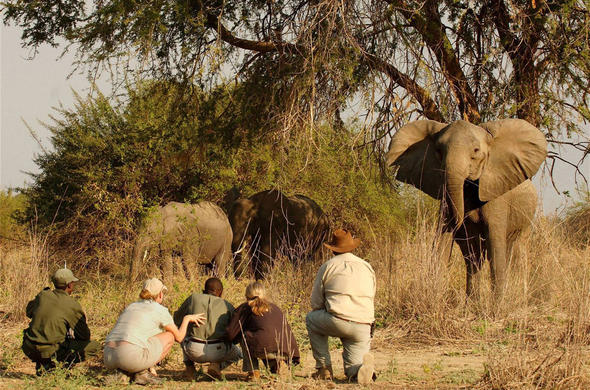

South Luangwa National Park is where the guided walking safari was invented, and the tradition is taken seriously here in a way that sets it apart from anywhere else on the continent. Walking behind an armed ranger and a tracker through the African bush, reading animal signs, smelling the air, and being genuinely immersed in the landscape rather than observing it from a vehicle, is a fundamentally different experience. It is also where the encounter with danger is most real, which, for the right traveler, is part of the point.
| My Experience: Walking on foot behind a tracker in South Luangwa at dawn, following elephant prints through the sand alongside the Luangwa River, is one of the most alive I have felt anywhere. Zambia is rawer and somewhat less polished than South Africa or Botswana and completely unapologetic about it. That is its extraordinary appeal. |
Zimbabwe and Victoria Falls: A Mandatory Detour.
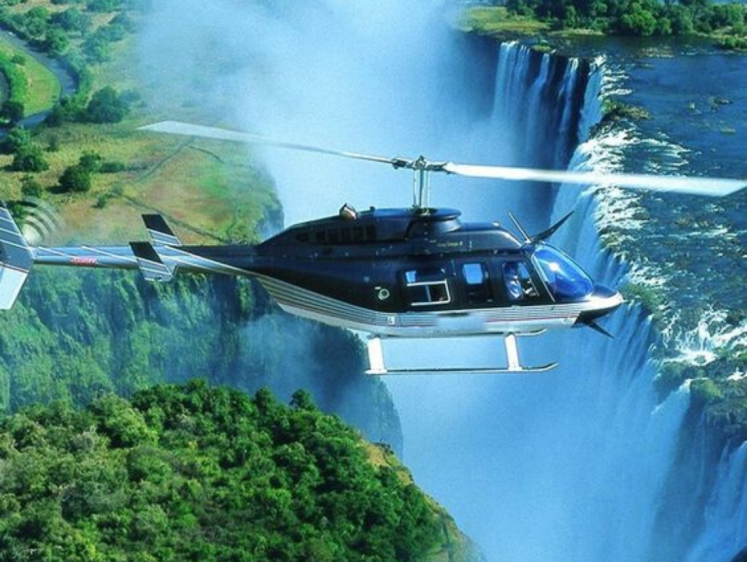
Victoria Falls is one of those places that simply does not register until you are standing at the edge of it. The scale, the sound, the spray visible from miles away, the sheer geological drama of the Zambezi dropping over 100 metres into the gorge below, defies every photograph and every description. Approach from either the Zimbabwe or Zambia side, and add a helicopter flight over the falls if your budget allows it.
Zimbabwe’s Hwange National Park is also seriously underrated as a safari destination, with one of the highest elephant populations in Africa and some exceptional private concessions that attract a sophisticated traveler looking to avoid the crowds found elsewhere.
Southern Africa: Who Will Love It Most
- Luxury travelers who want the most refined lodge experiences the continent offers, combined with exceptional wildlife.
- Honeymooners and couples for whom privacy and romance are built into the physical design of the lodges.
- Families traveling with younger children who need malaria-free options and family-dedicated lodge programs.
- Repeat safari travelers who have done the Migration and are ready for something more intimate.
- Adventure travelers drawn to walking safaris, mokoro journeys, white-water rafting, or horseback safaris through the bush.
- Culinary travelers and Wine Aficionados who want to end their safari on a high note will find that a few days in Cape Town and the Winelands, with its exceptional restaurants, world-class wine estates, and mountain scenery, makes for one of travel’s most satisfying finales.
When to Go: A Season-by-Season Guide to Both Regions
The timing of your trip makes an enormous difference to what you experience, particularly in East Africa where the Migration follows its own schedule and the two rainy seasons close some camps entirely. Use this table as a starting point. I always add context around these windows when working with clients because a late-rains year or an early migration can shift everything by several weeks.
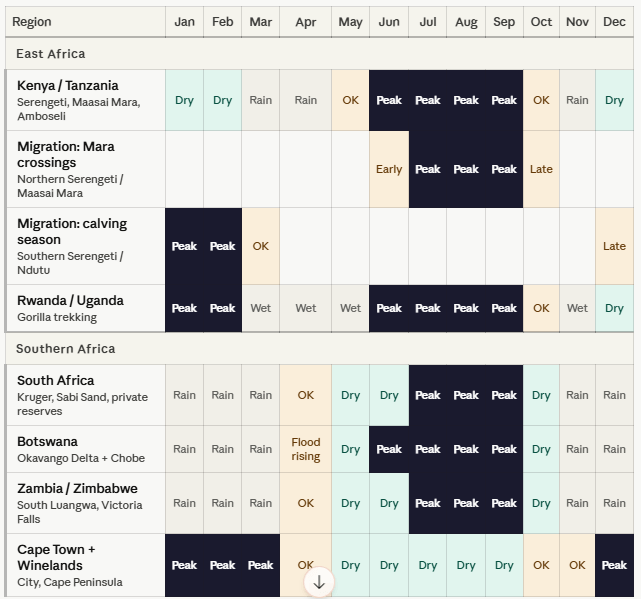
A few things the table does not fully capture: the short rains in East Africa (October to December) are intermittent rather than heavy and many camps stay open, offering excellent game viewing with lower visitor numbers and reduced rates. In Southern Africa, the green season (November to March) produces beautiful lush landscapes that are genuinely stunning for photography, even though game viewing is harder. And the Okavango Delta operates on its own flood calendar: the annual inundation from Angola arrives around April and peaks around July to August, which is when the Delta is at its most extraordinary.
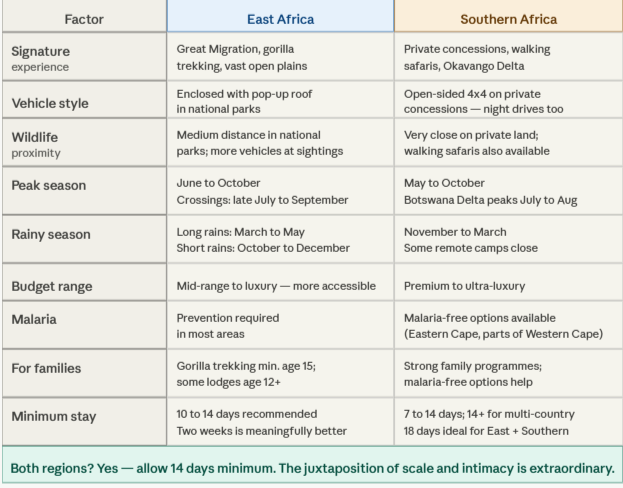
The Practical Comparison: East Africa vs. Southern Africa.
A Quick Note About How Long to Stay
If you are flying to Africa from North America or Europe, give yourself at least ten days on the ground. Two weeks is meaningfully better. The flights are long, the time zones are real, and the experiences deserve your unhurried attention. A safari that is rushed is not really a safari, it is a series of impressive sightings you were too tired to fully absorb. Africa is not a destination you rush. It is a destination you build time around, and the clients I work with who give it the most time consistently have the most transformative experiences.
If you genuinely only have a week, I believe that South Africa offers the most efficient entry point, with shorter internal transfers, malaria-free options in some areas, and exceptional game viewing in the private reserves throughout the country. If you are a culinary and wine afficionado then South Africa is definitely the best idea. However if you can push for ten days, you will not regret a single hour of it.
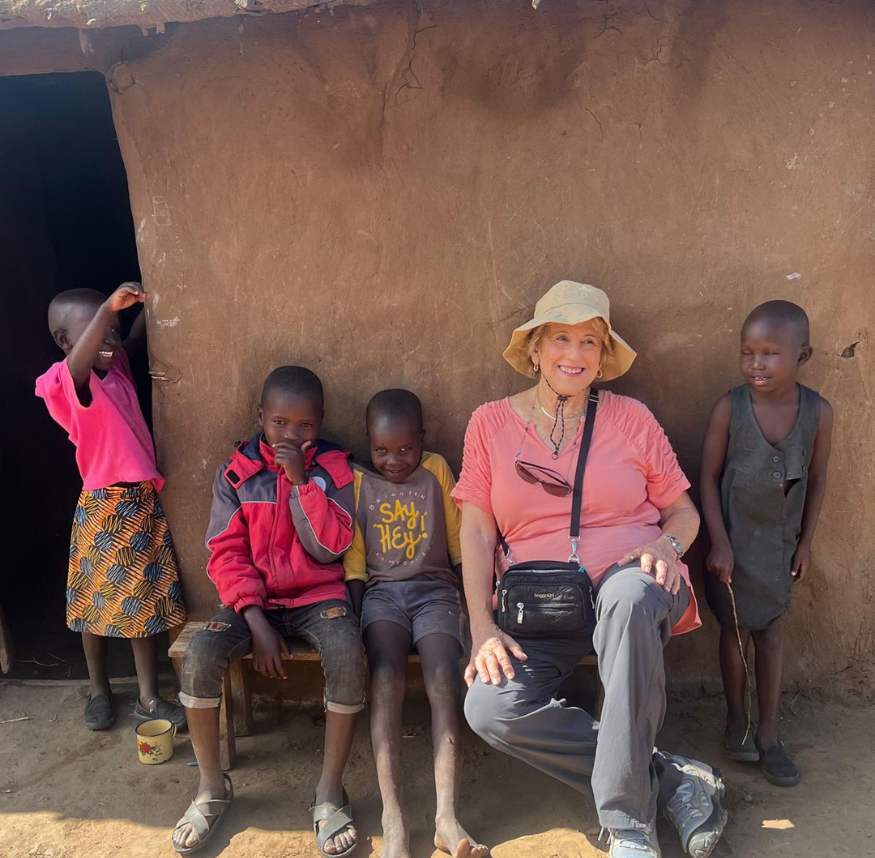
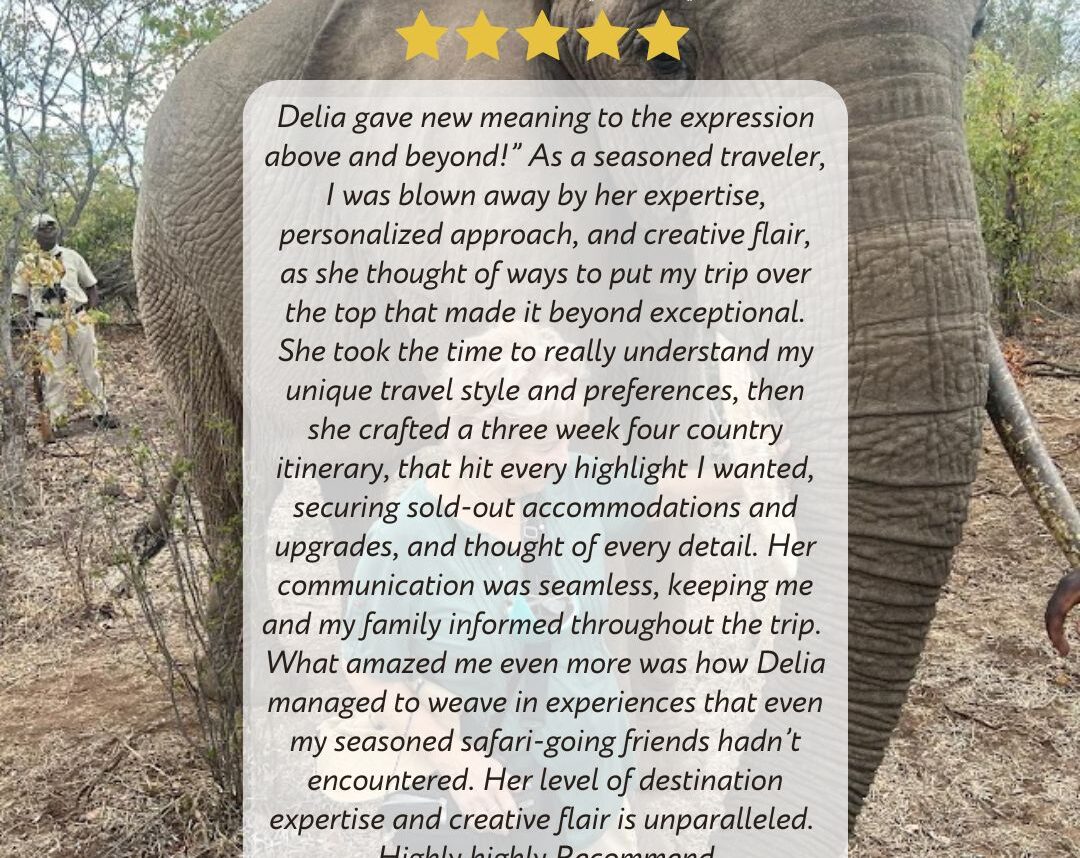
(a client on a solo journey for her 80th bday. )
Should You Combine Both Regions?
Yes, if your schedule and budget allow it, a combination itinerary will be extraordinary. The juxtaposition of East and Southern Africa in a single trip produces one of the most complete travel experiences I know how to design: the scale and spectacle of the Serengeti alongside the intimacy of a private concession in Southern Africa, perhaps with Victoria Falls as a dramatic connector, and a few days in Cape Town to decompress before heading home.
Minimum for a combination trip: Fourteen days on the ground. Eighteen is better. Multi-country itineraries require careful routing to minimize unnecessary flying.
Ready to Plan Yours?
A safari is not a trip you put together on a booking platform at midnight. The right itinerary, the right camps, the right timing, the right permits, and the right approach to an ecosystem that deserves care and respect all require someone who has actually been to these places and understands what they are asking of you and what they are offering in return.
Contact me today to craft your personalized experience. With exclusive local partnerships, insider itineraries, and seamless logistics, I’ll transform your destination into your next unforgettable reality. Reach out to me at the email below. Alternatively, complete the form with your dates and interests for your (and or your loved one’s) upcoming trip. These memories will warm your heart for years to come. Email me at [email protected].